
Table of Contents
Cleft lip and cleft palate are among the most common congenital facial conditions, affecting how the lip and/or the roof of the mouth form during early pregnancy. While these conditions are visible at birth, their impact goes far beyond appearance. Feeding difficulties, speech development, hearing issues, and facial growth can all be influenced if treatment is delayed or not properly coordinated. For this reason, early and well-planned cleft lip treatment in Turkeyas in any advanced healthcare setting is not about a single procedure, but about protecting a child’s long-term health, function, and quality of life.
For families, a cleft lip or cleft palate diagnosis can be emotionally overwhelming. Parents often experience anxiety, uncertainty, and many unanswered questions about their child’s future. From a medical perspective, however, these conditions are well understood and highly treatable when managed correctly. With modern surgical techniques, structured follow-up, and supportive therapies, most children can achieve normal feeding, clear speech, and balanced facial development. Addressing both the emotional needs of families and the clinical needs of patients is a fundamental part of effective care.
Successful outcomes depend on a multidisciplinary approach rather than isolated treatment decisions. Cleft lip and palate management typically involves collaboration between plastic surgeons, pediatric specialists, orthodontists, speech and language therapists, and other healthcare professionals at different stages of growth. Each phase of care builds on the previous one, making coordination and long-term planning essential.
The purpose of this guide is to provide clear, reliable, and medically grounded information about cleft lip and palate care. It explains the condition itself, outlines available treatment options, describes the typical treatment timeline, and discusses life after treatment. By focusing on the full journey from infancy through childhood and beyond this content aims to help families and patients understand what to expect and make informed decisions with confidence.
What Is Cleft Lip?
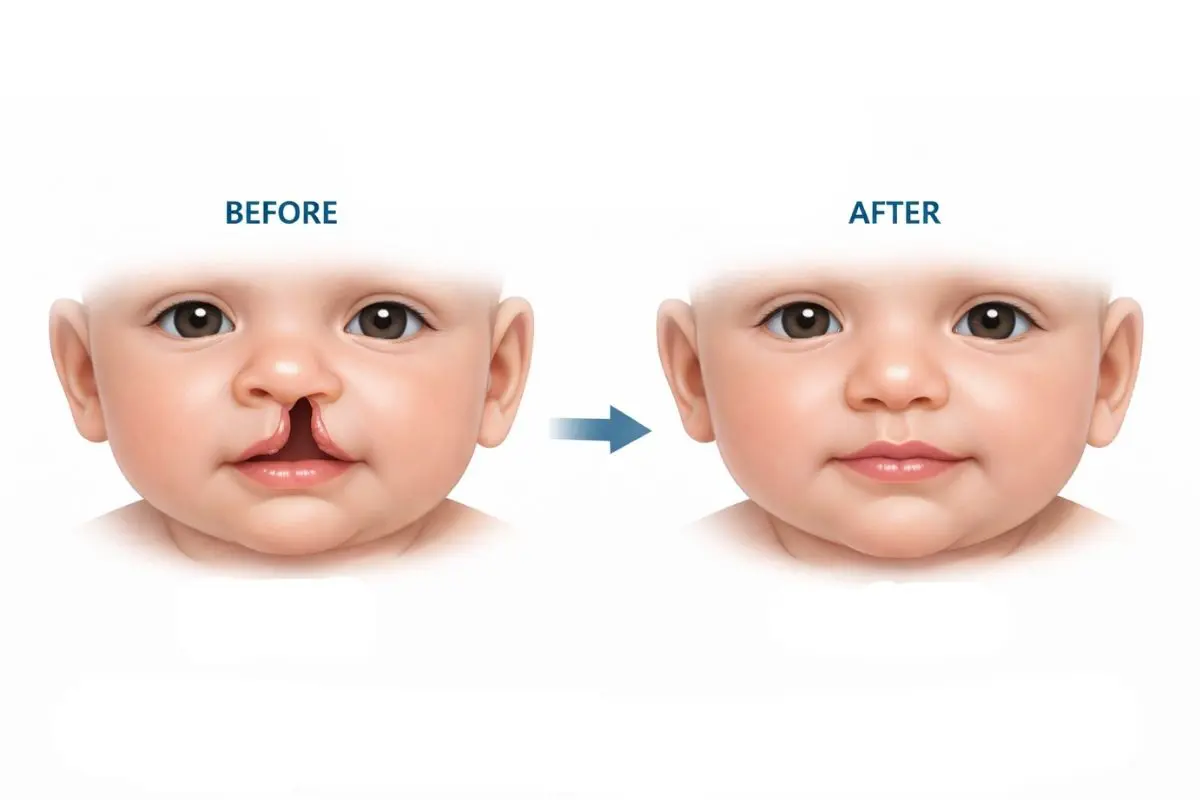
A cleft lip is a congenital condition in which the upper lip does not fully form during early fetal development. This results in a visible opening or split in the lip, which can vary in size and severity. Cleft lip may occur on its own or together with a cleft palate, where the roof of the mouth is also affected.
Cleft lip can be unilateral, meaning it affects one side of the upper lip, or bilateral, where the split appears on both sides and may involve the central portion of the lip. Bilateral cleft lip and palate cases are generally more complex and often require a carefully staged treatment plan.
It is important to distinguish between cleft lip and cleft palate. A cleft lip primarily affects the appearance and muscle structure of the upper lip, while a cleft palate involves the hard and/or soft palate inside the mouth. Although they can occur separately, many patients experience both conditions together, which influences feeding, speech development, and dental alignment.
Beyond appearance, cleft lip can affect a child’s ability to feed properly in infancy and may later influence speech clarity and facial growth. These functional impacts are why early evaluation and structured treatment planning play a critical role in successful long-term outcomes.
What Is Cleft Lip Treatment?
Cleft lip treatment refers to a comprehensive, long-term care process designed to restore both function and appearance. It does not involve a single intervention, but rather a coordinated plan that addresses feeding, speech development, facial growth, and overall well-being from infancy through childhood and, in some cases, adolescence.
While cleft lip surgery is a central part of treatment, it is only one stage of a broader therapeutic journey. Ongoing follow-up and supportive therapies are often necessary to guide normal development, manage associated conditions, and adapt care as the child grows. This long-term approach is essential for achieving stable and functional outcomes.
Effective cleft lip treatment relies on a multidisciplinary team working together at different stages of care. Plastic surgeons focus on repairing the lip and supporting facial symmetry, orthodontists guide dental and jaw development, and speech and language therapists address communication challenges that may arise. Pediatric specialists play a key role in monitoring growth, nutrition, and overall health, ensuring that each phase of treatment is timed appropriately and safely.
By integrating these specialties into a unified treatment plan, cleft lip care can be tailored to the individual needs of each patient, supporting both physical development and quality of life over the long term.

Treatment of Cleft Lip and Palate
The treatment of cleft lip and palate involves a structured, long-term approach for patients whose upper lip and palate are affected together. Because these structures play a key role in feeding, speech, and facial development, treatment must address both functional and anatomical needs in a coordinated way.
When the lip and palate are involved simultaneously, care is planned in stages and adjusted as the child grows. Early interventions focus on safe feeding and normal oral function, while later treatments support speech development, dental alignment, and balanced facial growth. This integrated approach helps prevent secondary complications and supports healthy development over time.
From a functional perspective, the primary goals of cleft lip and palate treatment include enabling effective feeding in infancy, supporting clear and understandable speech, and guiding normal growth of the face and jaws. Achieving these outcomes often requires a combination of surgical repair, orthodontic guidance, and speech therapy at different stages of development.
In addition to function, aesthetic goals are an important part of care. Treatment aims to restore facial symmetry, create a balanced lip and nasal structure, and achieve a natural appearance that harmonizes with the rest of the face. Addressing both functional and aesthetic aspects together is essential for long-term satisfaction and overall quality of life.
What Are Some Treatments of Cleft Lip and Palate?
Cleft lip and palate care includes a combination of non-surgical and surgical methods, planned according to the patient’s age, severity of the condition, and individual developmental needs. These treatment options are designed to support normal growth while addressing functional and structural challenges at each stage.
Non-surgical Treatment Options
Non-surgical care often begins shortly after birth and plays a supportive role throughout the treatment process. Early feeding support helps infants with cleft lip and palate receive adequate nutrition, especially when standard feeding methods are difficult. Specialized feeding techniques and guidance can significantly improve weight gain and overall health.
Orthodontic guidance, sometimes referred to as infant orthopedics, may be used in early life to help align oral structures and prepare the tissues for future surgical repair. As the child grows, speech therapy becomes important for addressing articulation or resonance issues that can result from palate involvement. In parallel, psychosocial support and family education help parents understand the treatment journey, manage expectations, and support the child’s emotional well-being.
Surgical Treatment Options
Cleft lip surgery is performed to close the separation in the upper lip, restore muscle continuity, and improve both function and appearance. The primary goals are to support normal feeding, contribute to speech development, and achieve balanced facial structure.
Cleft palate surgery focuses on repairing the opening in the roof of the mouth, which is essential for normal speech and swallowing. In some cases, more than one surgical procedure is required as the child grows, particularly if additional adjustments are needed to support facial development or speech outcomes.
The timing of surgery is a critical factor in treatment success. Procedures are carefully scheduled to balance safety, growth patterns, and developmental milestones, ensuring that each intervention supports long-term functional and aesthetic results.
Cleft Lip Surgery
Cleft lip surgery is a central component of the overall treatment cleft lip process, aiming to correct the structural separation of the upper lip while supporting normal function and facial development. Although surgery plays a key role, it is performed as part of a broader, carefully planned treatment pathway rather than as a standalone solution.
The primary surgical goals include restoring the continuity of the upper lip, rebuilding the underlying muscle structure, and supporting a balanced nasal base. Proper muscle repair is essential for lip movement, facial expression, and long-term symmetry, while attention to the nasal base helps improve breathing and overall facial harmony.
In cases of bilateral cleft lip and palate treatment, surgical planning is often more complex. These patients may require staged procedures to address both sides of the lip and associated nasal structures, with timing adjusted to support safe healing and ongoing facial growth. Each step is tailored to the individual anatomy and developmental needs of the patient.
As with any surgical intervention, cleft lip surgery carries risks and limitations. Scarring, the need for additional procedures, and variations in healing are possible and can differ from one patient to another. While modern techniques allow for highly effective outcomes, realistic expectations and long-term follow-up are essential parts of successful care.

Cleft Lip and Palate Treatment Timeline
The cleft lip and palate treatment timeline follows a staged approach that begins at birth and continues through childhood. Each phase is designed to support normal development while addressing functional and structural needs at the appropriate time.
Treatment at Birth
Cleft lip and palate are usually identified at birth or shortly before through prenatal screening. Early diagnosis allows healthcare teams to focus immediately on feeding management, ensuring the newborn can receive adequate nutrition safely. Families are also provided with clear information about the condition, expected treatment stages, and next steps, helping to reduce uncertainty and support informed early planning.
Surgery in Infancy
The first surgical intervention is typically planned during infancy, once the baby is medically stable and has reached appropriate growth milestones. Careful attention is given to anesthesia safety, with procedures scheduled to minimize risk while maximizing developmental benefit. Following surgery, the healing process is closely monitored to support proper tissue repair and early functional improvement.
Follow-up Treatments During Childhood
As the child grows, follow-up treatments become an essential part of long-term care. Orthodontic treatments may guide dental alignment and jaw development, while speech therapy supports clear communication, particularly in cases involving the palate. Ongoing monitoring of facial and jaw growth helps identify any emerging concerns, and revision surgeries may be considered when necessary to optimize function and appearance over time.
Is There a Treatment for Cleft Lip?
Yes, there is a treatment for cleft lip, and modern medical care offers highly effective solutions when the condition is managed appropriately. Treatment focuses on restoring normal lip structure, supporting healthy development, and addressing any functional challenges associated with the condition.
However, cleft lip treatment is not a single-stage process. While surgical repair plays a central role, it is only one part of a broader, long-term care plan. Additional interventions, such as orthodontic guidance, speech therapy, and developmental monitoring, may be needed as the child grows.
Because facial structures continue to develop throughout childhood, long-term follow-up is essential. Regular assessments allow healthcare teams to adapt treatment plans, address emerging needs, and ensure that functional and aesthetic outcomes remain stable over time.
Cleft Lip Causes and Treatment
Understanding the relationship between cleft lip causes and treatment is important for both early diagnosis and effective care planning. Cleft lip develops during early pregnancy when the tissues of the upper lip do not fuse completely. In most cases, the condition results from a combination of genetic and environmental factors rather than a single identifiable cause.
Genetic factors play a significant role, as cleft lip can occur more frequently in families with a history of craniofacial conditions. Certain genetic variations may increase susceptibility, even when no previous family history is known. However, genetics alone do not fully explain why cleft lip occurs.
Environmental risk factors during pregnancy may also contribute. These can include maternal health conditions, nutritional deficiencies, or exposure to specific substances during early fetal development. It is important to note that many cases arise without any clearly identifiable risk factor.
Early diagnosis is essential because it allows treatment planning to begin as soon as possible. Timely identification supports safe feeding strategies, appropriate surgical timing, and coordinated long-term care, all of which contribute to better functional and developmental outcomes.

Life After Cleft Lip Treatment
Life after cleft lip treatment is often marked by significant improvements in both function and quality of life. With appropriate care and long-term follow-up, most individuals are able to eat comfortably, speak clearly, and participate fully in daily activities. These outcomes reflect the importance of a structured treatment plan that addresses development over time rather than focusing on a single intervention.
Improvements in speech and feeding play a key role in social integration, especially during early childhood and school years. As functional challenges are addressed, children are better able to communicate effectively and engage confidently with peers. Ongoing support during key developmental stages helps ensure that these gains are maintained.
Psychological support and family encouragement are equally important aspects of life after treatment. Addressing emotional well-being and self-esteem helps children develop a positive self-image, particularly as they become more aware of facial differences and social interactions. When needed, counseling and supportive care can further strengthen confidence.
In the long term, realistic expectation management is essential. While modern treatment approaches achieve highly successful results, outcomes can vary depending on individual anatomy and growth patterns. Continued monitoring allows care teams to adapt treatment as needed, supporting stable results and overall well-being into adolescence and adulthood.
Our Google Reviews
Our Bookimed Reviews
Frequently Asked Questions
What are some treatments of cleft lip and palate?
Treatments of cleft lip and palate include both surgical and non-surgical approaches planned over time. Surgical procedures focus on repairing the lip and palate to restore structure and function, while non-surgical care may involve feeding support, orthodontic guidance, and speech therapy.
A multidisciplinary approach is essential, as coordinated care between surgeons, orthodontists, speech therapists, and pediatric specialists supports healthy development and long-term outcomes.
Is there a treatment for cleft lip?
Yes, there is a treatment for cleft lip, and modern medical care offers effective solutions. Treatment typically involves surgical repair combined with long-term follow-up and supportive therapies.
It is important to understand that treatment is staged and ongoing, rather than a single procedure, and outcomes depend on individual anatomy, growth, and consistent care.
At what age does cleft lip treatment begin?
Cleft lip treatment usually begins at birth, starting with early diagnosis and feeding management. These initial steps help ensure proper nutrition and prepare families for the treatment process.
Surgical repair is planned later in infancy, with timing based on the baby’s health, growth, and developmental readiness.
Does cleft lip require multiple surgeries?
In some cases, cleft lip may require more than one surgical procedure. This can depend on the severity of the cleft, whether the palate is also involved, and how the face develops over time.
Not all patients need multiple surgeries, but staged procedures may be recommended to support function, facial growth, and long-term results.
How long does cleft lip and palate treatment take?
Cleft lip and palate treatment can extend from infancy into adolescence, as facial structures continue to grow and develop. While early surgeries address the primary concerns, follow-up care remains important.
Supportive treatments such as orthodontics and speech therapy play a key role throughout this period, helping to maintain functional and developmental progress over the long term.