
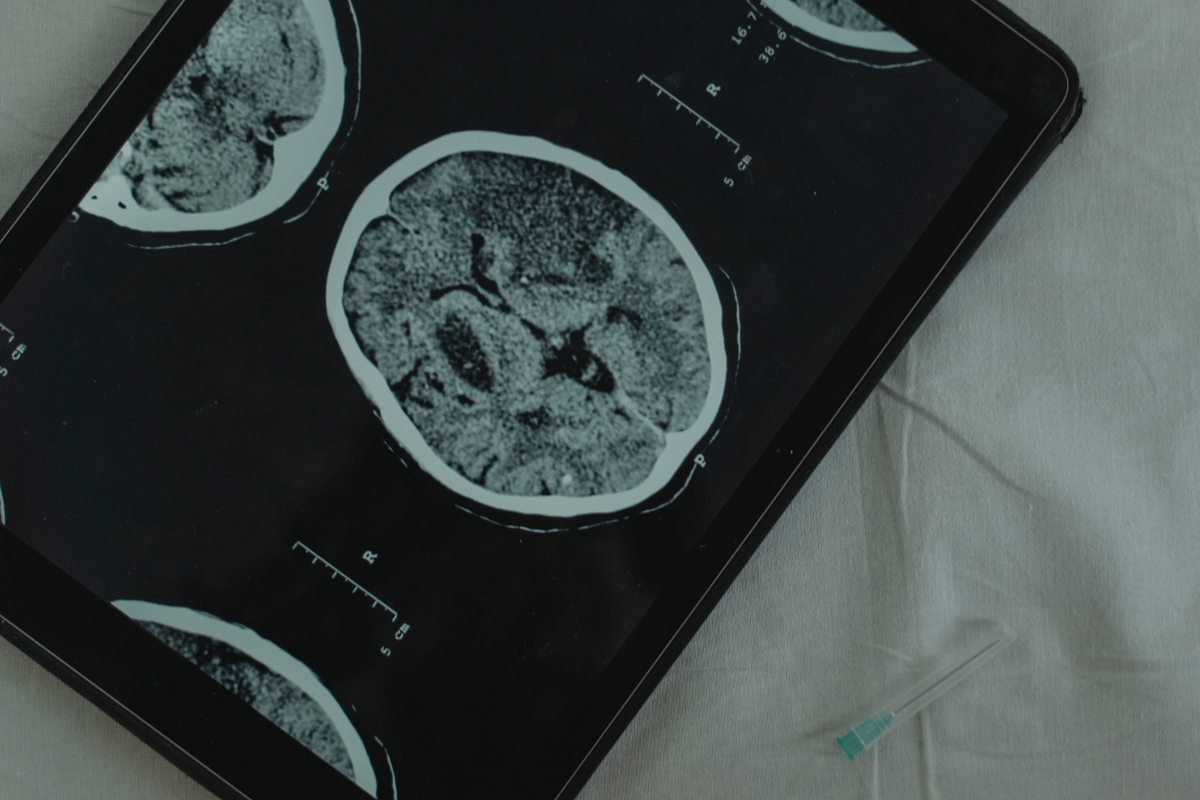
A brain tumor develops when abnormal cells grow uncontrollably within the brain or nearby tissues, forming a mass that can interfere with normal neurological function. Brain tumors may be benign or malignant; however, even a non-cancerous tumor can become serious if its size or location causes pressure on sensitive areas of the brain. Possible symptoms include seizures, fainting, persistent or progressively worsening headaches, changes in personality or behavior, difficulties with balance and coordination, visual disturbances, numbness or weakness in the arms or legs, nausea, and vomiting. The most appropriate treatment depends on factors such as the tumor type, location, size, and overall health of the patient, and may involve surgery, radiotherapy, chemotherapy, or a combination of treatments.
What is a Brain Tumor?
A brain tumor is an abnormal growth of cells that develops within the brain or in tissues surrounding it. These tumors can affect individuals at any age, from young children to older adults, and may be classified as benign (non-cancerous) or malignant (cancerous) depending on their biological characteristics.
As a brain tumor enlarges, it may increase pressure within the skull or affect nearby brain structures, potentially causing neurological complications and, in severe cases, life-threatening problems. Primary brain tumors begin directly in the brain or its surrounding tissues. Secondary, or metastatic, brain tumors occur when cancer cells from another organ or part of the body spread to the brain.
What Are the Types of Brain Tumors?
Brain tumors are classified into two main categories: primary (originating in the brain) and secondary (spreading from another part of the body).
Benign Brain Tumors:
- Do not originate from brain cells.
- Grow slowly and can often be separated from brain tissue.
- Have a low chance of recurrence after surgical removal.
- Do not spread to other parts of the body.
- However, if they grow large enough, they can press on sensitive areas of the brain, causing serious health issues.
- In some cases, benign tumors may transform into malignant tumors over time.
Malignant Brain Tumors (Brain Cancer):
- Grow more rapidly and can damage nearby brain tissue.
- Difficult to completely remove surgically because they affect functional areas of the brain.
- Have a high likelihood of regrowth after surgery.
- Metastatic tumors, which spread from other organs, are also considered malignant.
- Glioblastoma multiforme (GBM) is one of the most aggressive and deadly brain cancers, occurring in approximately 2-3 cases per 100,000 people.
What Causes Brain Tumors?
Brain tumors develop when DNA changes occur in the cells of the brain or nearby tissues. Factors that may contribute to brain tumor formation include:
- Head trauma
- Genetic factors
- Aging
- Exposure to radiation or harmful chemicals
- Certain genetic syndromes (e.g., Tuberous sclerosis, Turner syndrome, Lynch syndrome, Cowden syndrome)
What Are the Symptoms of a Brain Tumor?
The symptoms of a brain tumor vary depending on the tumor’s location, size, and growth rate. Common symptoms include:
- Persistent, severe headaches (especially in the morning)
- Dizziness and loss of balance
- Blurred or double vision
- Seizures (fainting, twitching, loss of consciousness)
- Weakness or numbness on one side of the body
- Nausea and vomiting
- Memory problems, confusion, and behavioral changes
- Hearing loss or ringing in the ears
Severe Headaches:
One of the most common symptoms of a brain tumor is a persistent headache caused by increased pressure inside the skull. These headaches are often worse in the morning.
Dizziness and Balance Problems:
A tumor affecting the part of the brain responsible for balance can lead to dizziness and difficulty maintaining coordination.
Vision Problems (Blurred or Double Vision):
A tumor pressing on the optic nerve can cause visual disturbances and, in severe cases, blindness.
Seizures:
Brain tumors can disrupt neural activity, leading to seizures that involve muscle contractions, twitching, numbness, or even unconsciousness.
Numbness in Limbs:
Tumors in the brain regions that control movement can cause weakness or numbness, usually on one side of the body.
Nausea and Vomiting:
Increased intracranial pressure due to a tumor can interfere with cerebrospinal fluid flow, leading to nausea and vomiting.
Memory Loss and Cognitive Issues:
Tumors in the frontal or temporal lobes may affect speech, memory, and problem-solving abilities.
Personality Changes:
A tumor pressing on the brain can cause mood swings and changes in personality, especially if it affects the frontal lobe.
Hearing Loss and Ringing in the Ears:
If a tumor presses on the auditory nerve, it can lead to hearing loss and balance issues.
How is a Brain Tumor Diagnosed?
If a person experiences prolonged headaches, vision problems, seizures, or neurological changes, a doctor may perform imaging tests to confirm the presence of a tumor.
Diagnostic methods include:
- MRI (Magnetic Resonance Imaging): The most effective imaging technique for detecting brain tumors.
- CT Scan (Computed Tomography): An alternative to MRI for patients who cannot undergo an MRI scan.
- Biopsy: A sample of the tumor is taken to determine its type and whether it is cancerous.
- Lumbar Puncture (Spinal Tap): A sample of cerebrospinal fluid (CSF) is taken to check for tumor markers.
How is a Brain Tumor Treated?
The treatment for brain tumors depends on factors such as the tumor type, size, and location. Common treatments include:
1. Brain Surgery (Craniotomy):
- If possible, neurosurgeons remove the tumor through an operation called a craniotomy.
- In some cases, surgery is performed while the patient is awake to minimize damage to functional brain areas.
2. Radiation Therapy:
- Uses high doses of X-rays to shrink or destroy tumor cells.
3. Stereotactic Radiosurgery:
- A non-invasive method that delivers focused radiation beams to eliminate the tumor.
4. Brachytherapy:
- Involves implanting radioactive seeds near or inside the tumor to deliver localized radiation.
5. Chemotherapy:
- Uses drugs to kill cancer cells or stop them from growing.
- Can be administered orally or through IV injection.
- Often used after surgery to eliminate remaining cancer cells.
6. Immunotherapy:
- Also called biological therapy, it strengthens the immune system to fight cancer.
Conclusion:
A brain tumor is a serious condition that requires prompt diagnosis and treatment. Advances in medical technology have improved treatment options, including surgery, radiation, and targeted therapies. If you experience persistent headaches, vision changes, seizures, or neurological symptoms, consult a specialist for early diagnosis and appropriate care.


