
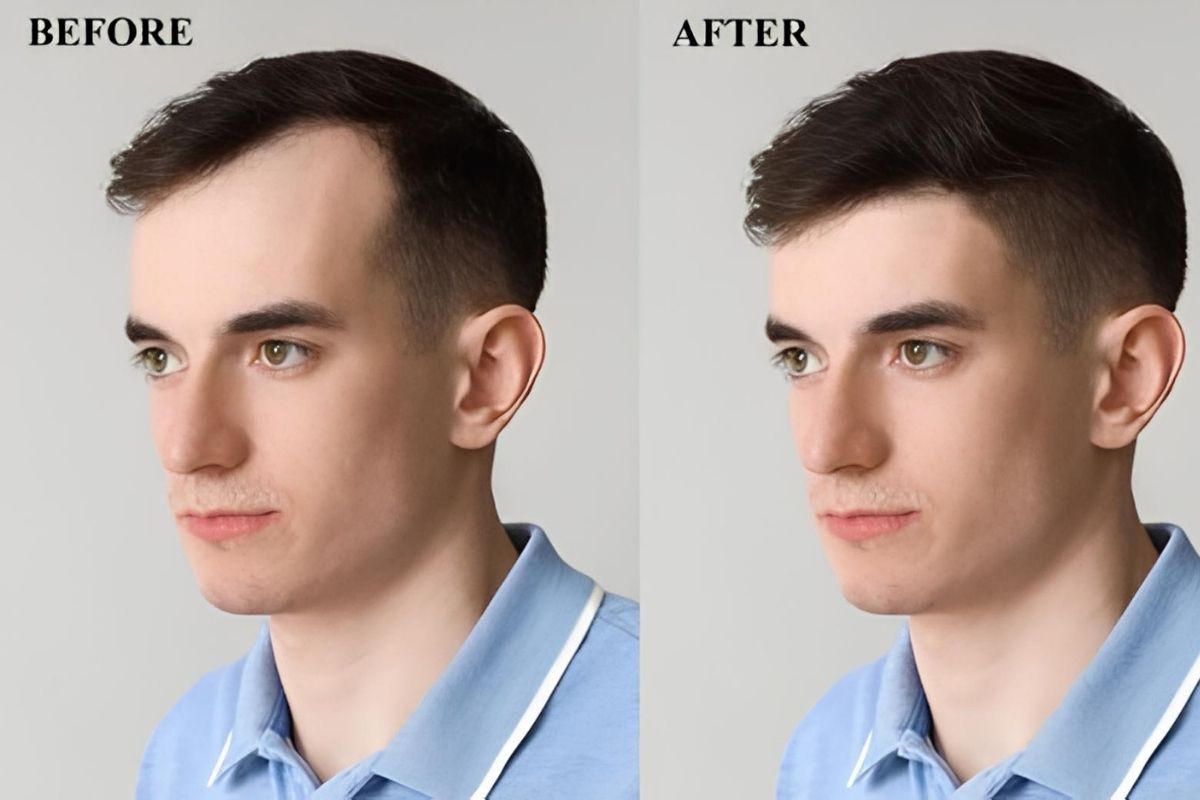
Hair loss, many people face at some point in their lives, can affect not only appearance but also self-confidence and social life. For patients who are considering a solution, hair transplant in Antalya has become one of the most frequently researched options thanks to its medical infrastructure, experienced clinics, and comfortable recovery environment. However, before making a decision, most patients are not focused on marketing promises they want clear answers to real concerns such as “Does it hurt?”, “Will the transplanted hair fall out?”, “Will it look natural?”
Choosing hair transplant in Antalya is not just about the destination; it is about feeling safe, informed, and confident throughout the entire hair transplantation procedure. Patients often search for honest information about pain levels, recovery time, donor area sensitivity, and whether the results will truly be permanent. Especially for first-time patients, uncertainty can be more stressful than the procedure itself.
In recent years, hair transplant in Antalya has attracted international patients who want both high quality medical care and a patient-centered approach. Understanding how methods like the FUE procedure or DHI hair transplantation feel in real life not just in theory helps patients set realistic expectations. When patients know what to expect before, during, and after hair transplant in Antalya, fear is replaced by confidence, and decisions become much easier to make.
This guide focuses on the questions patients ask the most about hair transplant in Antalya, explained in a clear, honest, and reassuring way without exaggeration, without pressure, and always from the patient’s point of view.
Does Hair Transplant Hurt? What Patients Really Want to Know
One of the first questions almost every patient asks before hair transplant in Antalya is simple but very important: “Will it hurt?” This concern is completely natural, especially for patients who have never had a medical procedure before. The idea of needles, the donor area, or the transplantation area can sound intimidating when you don’t know what to expect.
Pain During the Hair Transplantation Procedure
During hair transplant in Antalya, the procedure is performed under local anesthesia. This means you are awake, but the areas involved in the hair transplantation procedure are numbed. Most patients describe the anesthesia stage as mildly uncomfortable rather than painful. The sensation usually lasts only a short time, and once the anesthesia takes effect, the rest of the procedure is generally painless.
Patients often worry that methods like the FUE procedure or the DHI technique might feel different in terms of pain. In reality, both the FUE method and DHI hair transplantation are designed to minimize discomfort. Whether sapphire FUE or the DHI method is used, the goal is always to protect the donor area and ensure the transplantation area remains as comfortable as possible throughout the session.
Pain After Hair Transplant: What Is Normal?
After hair transplant in Antalya, mild soreness or tightness is considered normal, especially in the donor area. This usually feels similar to muscle tenderness rather than sharp pain. The transplantation area may feel sensitive for a few days, but this gradually improves as the healing process begins.
Most patients are surprised to realize that post-procedure discomfort is far less than they expected. With proper aftercare and guidance from a hair transplant clinic, daily activities can usually be resumed within a short period. Understanding this beforehand helps patients approach hair transplant in Antalya with confidence instead of fear.
Will the Transplanted Hair Fall Out? Understanding Shedding Without Fear
After hair transplant in Antalya, one of the most worrying moments for patients usually happens a few weeks later, when they notice that the transplanted hair starts to fall out. Many patients immediately think something went wrong and fear that the entire hair transplantation procedure has failed. In reality, this phase is not only normal it is expected.
Why Does Transplanted Hair Fall Out at First?
The initial shedding phase, often called shock loss, occurs when the transplanted hair shafts fall out while the hair follicles remain safely under the skin. During hair transplant in Antalya, the follicles are carefully placed into the transplantation area, but the scalp still needs time to adapt to the procedure. The shedding does not mean that the follicles are lost or damaged.
Patients should remember that the goal of hair restoration is not the immediate appearance of hair, but the long-term survival of healthy hair follicles. This temporary hair loss is part of the natural healing process and happens regardless of whether the FUE method or DHI hair transplantation is used.
When Does New Hair Start Growing?
After the shedding phase, patience becomes the most important part of the journey. Typically, new hair growth begins between the third and fourth month after hair transplant in Antalya. At first, the hair may appear thin or uneven, which can worry patients, but this is also a normal stage of development.
By the sixth month, most patients notice visible improvement, and around the ninth to twelfth month, the transplanted hair becomes thicker, stronger, and more natural-looking. Understanding this timeline helps patients manage expectations and avoid unnecessary stress during the recovery period.
Knowing that shedding is temporary allows patients to trust the process and feel reassured that hair transplant in Antalya is a gradual transformation not an overnight change.
How Many Grafts Do I Really Need?
When researching hair transplant in Antalya, many patients focus heavily on the number of grafts. Questions like “How many grafts will I need?” or “Is more grafts always better?” are among the most common concerns. While graft numbers are important, they are not the only factor that determines a successful hair transplantation procedure.
Number of Grafts: Why It Is Different for Every Patient
The required number of grafts depends entirely on the individual. Factors such as the size of the hair loss area, the density of the field of hair, and the quality of the donor area all play a role. Two patients with similar hair loss patterns may still need a different number of grafts because their hair follicles and scalp structure are not the same.
During hair transplant in Antalya, an experienced hair transplant clinic evaluates how many healthy hair follicles can be safely taken from the donor area without causing thinning or visible gaps. The goal is not to extract as many grafts as possible, but to achieve a balanced and natural hair restoration result.
Does More Grafts Mean Better Results?
Many patients assume that a higher number of grafts automatically guarantees better density. In reality, this is one of the most common misconceptions. Placing too many grafts in the transplantation area can compromise blood supply and reduce the survival rate of the transplanted hair.
A successful hair transplant in Antalya focuses on strategic placement, correct angles, and long-term planning rather than sheer numbers. High quality planning ensures that the transplanted hair grows naturally and remains healthy over time. For patients, understanding this helps shift the focus from quantity to quality which ultimately leads to more satisfying and realistic results.
FUE or DHI? Which Method Is Better for Me?
While researching hair transplant in Antalya, many patients feel confused when they encounter different techniques. The most common question is not “Which method is more popular?” but “Which one is right for me?” Understanding the difference between methods helps patients feel more in control and confident before the hair transplantation procedure.
FUE Method Explained in a Simple Way
The FUE method is one of the most widely used techniques in hair transplantation in Turkey. In this method, hair follicles are individually extracted from the donor area and then placed into the transplantation area. When sapphire FUE is used, special sapphire blades help create smaller channels, which can support faster healing and more precise placement.
Patients often choose the FUE procedure because it is reliable, versatile, and suitable for larger areas of hair loss. It also allows surgeons to control the direction and angle of the transplanted hair carefully, which is essential for achieving a natural look. For many patients considering hair transplant in Antalya, the FUE method offers a balanced solution between coverage and density.
DHI Hair Transplantation and the DHI Technique
DHI hair transplantation uses a different approach. With the DHI method, hair follicles are implanted directly into the scalp using a special pen-like tool. This technique allows implantation without opening channels beforehand, which can offer more control in certain cases.
Patients who prefer DHI hair transplantation often do so because it may allow for more precise placement in smaller areas or along the hairline. In some situations, it can also reduce trauma to the scalp. However, DHI technique is not automatically better for everyone it depends on hair loss pattern, donor area quality, and long-term hair restoration goals.
Choosing between FUE and DHI during hair transplant in Antalya should always be based on personal needs rather than trends. When patients understand that there is no “one-size-fits-all” method, they can make more informed decisions and feel more confident about the process.
Will My Hair Look Natural After Transplantation?
One of the biggest fears patients have before hair transplant in Antalya is whether the result will look natural. Many patients worry about obvious hairlines, uneven density, or results that make it clear they had a procedure. This concern is completely understandable, as hair is one of the most noticeable features of the face.
What Makes a Hair Transplant Look Natural?
A natural result depends on much more than simply placing hair follicles into the transplantation area. During hair transplant in Antalya, factors such as the angle, direction, and distribution of the transplanted hair are critical. Hair does not grow straight up in nature, and recreating these natural growth patterns is essential for an authentic appearance.
Another key factor is respecting the patient’s existing field of hair. A well-planned hair restoration procedure blends transplanted hair seamlessly with existing hair, avoiding sharp lines or artificial density. This is why experienced planning matters more than speed or quantity.
Hairline Design: A Common Patient Concern
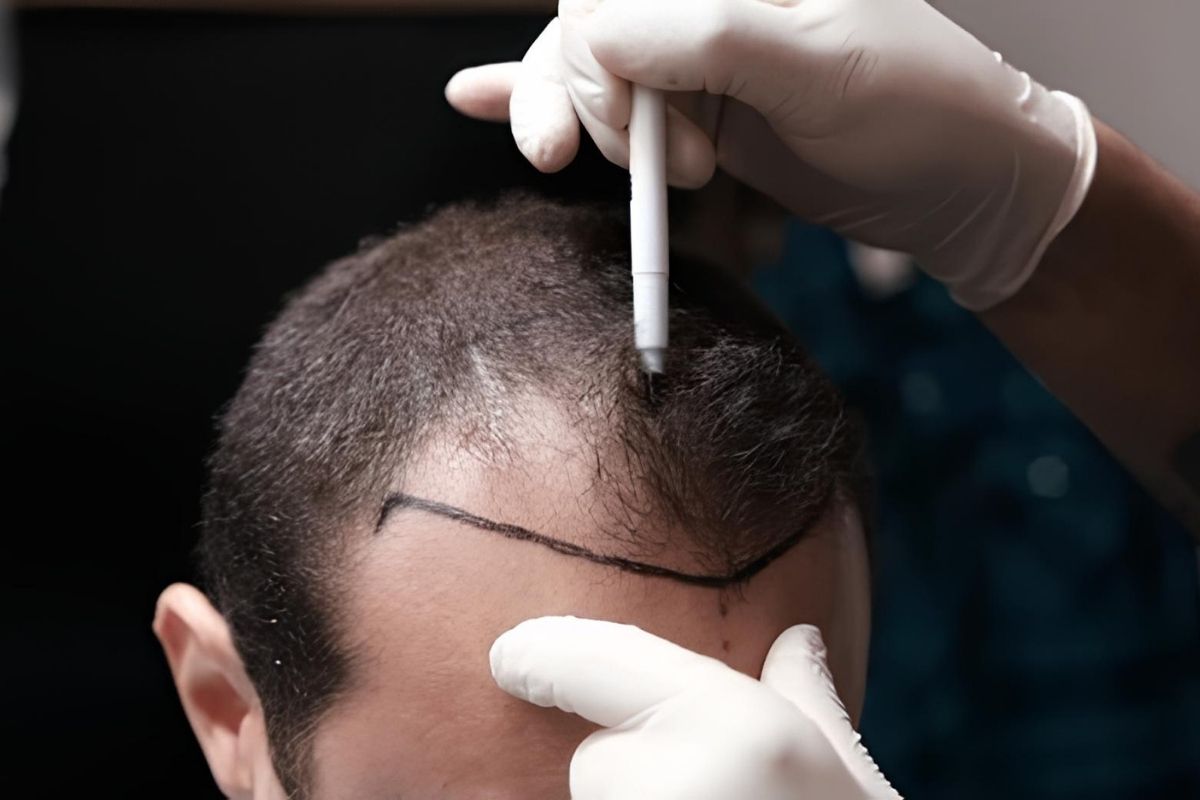
Hairline design is often where patients feel the most anxious. Many ask, “Will my hairline look too straight or unnatural?” In hair transplant in Antalya, a natural hairline is designed according to facial structure, age, and future hair loss expectations.
Rather than creating an aggressive or overly low hairline, a patient-centered approach focuses on long-term harmony. When done correctly, the transplanted hair grows naturally over time and becomes indistinguishable from the original hair. Knowing this helps patients approach hair transplant in Antalya with realistic expectations and greater peace of mind.
How Long Does Recovery Take After Hair Transplant?
Recovery time is one of the most important topics for patients considering hair transplant in Antalya. Many people worry about how long they will look “different,” when they can return to work, and how visible the procedure will be to others. Understanding the recovery process step by step helps patients feel prepared and reduces unnecessary anxiety.
The First Days After the Procedure
In the first few days following hair transplant in Antalya, mild swelling, redness, and sensitivity are completely normal. The donor area may feel tight or tender, while the transplantation area should be protected carefully. Patients are usually advised to avoid touching or scratching the scalp during this early phase.
This period is often easier than expected. Most patients are surprised by how manageable daily activities feel, especially when they follow the aftercare instructions provided by the hair transplant clinic. Sleeping position, gentle movements, and proper hygiene all support a smooth start to recovery.
When Can I Return to Work and Social Life?
For many patients, returning to work is possible within a few days, especially for desk-based jobs. After hair transplant in Antalya, scabs typically begin to fall off naturally within the first 7–10 days. Once this phase passes, the scalp looks much more normal, making social interactions easier and more comfortable.
Physical activities, intense exercise, and sun exposure usually need to be limited for a short period. However, most patients can gradually return to their normal routine without major disruption. Knowing this timeline helps patients plan their schedule realistically and approach hair transplant in Antalya with confidence rather than worry.
Is Hair Transplant Permanent?
One of the most reassuring and at the same time confusing questions patients ask before hair transplant in Antalya is whether the results are truly permanent. Many people worry that even after going through the procedure, hair loss might continue and undo the results. Understanding how transplanted hair behaves helps set realistic and comforting expectations.
Why Transplanted Hair Is Different from Natural Hair Loss
During hair transplant in Antalya, hair follicles are taken from the donor area, which is genetically resistant to hair loss. These follicles are not affected by the same hormonal factors that cause thinning on the top or front of the scalp. Once transplanted into the transplantation area, they keep their original characteristics.
This means that the transplanted hair is designed to be long-lasting. When the hair transplantation procedure is planned correctly, the new hair grows naturally and remains stable over time. This is a key reason why hair restoration can provide such satisfying and durable results for many patients.
Will I Continue to Lose My Existing Hair?
While transplanted hair is permanent, existing non-transplanted hair may continue to thin due to genetics or age. This is completely normal and does not mean the procedure has failed. For this reason, hair transplant in Antalya is often planned with long-term hair loss patterns in mind, not just the current appearance.
Patients who understand this feel more confident and less anxious in the years following their procedure. A thoughtful approach to hair transplantation focuses on maintaining balance between transplanted hair and existing hair, ensuring that the overall appearance stays natural and harmonious over time.
Choosing the Right Hair Transplant Clinic in Antalya
For many patients, deciding on hair transplant in Antalya is only half of the journey. The other half and often the most stressful part is choosing the right clinic. Patients frequently ask themselves “How do I know which clinic to trust?” or “What really matters beyond advertisements?” These concerns are valid, especially for patients traveling from abroad.
What Patients Should Look for in a Clinic
A reliable hair transplant clinic should focus on patient safety, clear communication, and realistic expectations. Before committing to hair transplant in Antalya, patients should pay attention to whether the clinic provides a detailed consultation, evaluates the donor area carefully, and explains the hair transplantation procedure step by step.
Transparency is a key sign of trust. Clinics that openly discuss possible limitations, healing timelines, and long-term planning help patients feel informed rather than pressured. A patient-centered clinic understands that hair restoration is not just a cosmetic decision, but an emotional one as well.
Why Experience and Planning Matter More Than Promises
Many patients are drawn to bold claims or guaranteed results, but in reality, there is no one-size-fits-all outcome. A successful hair transplant in Antalya depends on careful planning, proper graft distribution, and respect for the natural field of hair.
Experienced clinics focus on long-term results rather than quick fixes. They consider how hair loss may progress in the future and plan the transplantation area accordingly. For patients, choosing a clinic that prioritizes thoughtful planning over aggressive promises provides peace of mind and leads to more natural, satisfying results.
Our Bookimed Reviews
Our Google Reviews


FAQ – Most Asked Questions About Hair Transplant in Antalya
Will I look strange right after hair transplant?
Right after hair transplant in Antalya, redness and small scabs in the transplantation area are normal. This phase is temporary and usually improves significantly within the first 7–10 days. Most patients do not look “strange,” but rather as if they have had a minor medical procedure. Once the scabs fall off naturally, the scalp looks much more normal.
How long do the scabs last after the procedure?
Scabs usually form within the first few days after hair transplant in Antalya and begin to fall off naturally around day 7 to 10. Patients are advised not to pick or scratch them. Proper washing and aftercare help this phase pass smoothly without affecting the transplanted hair follicles.
How long do the scabs last after the procedure?
Scabs usually form within the first few days after hair transplant in Antalya and begin to fall off naturally around day 7 to 10. Patients are advised not to pick or scratch them. Proper washing and aftercare help this phase pass smoothly without affecting the transplanted hair follicles.
Is hair transplant safe?
When performed under proper medical standards, hair transplant in Antalya is considered a safe procedure. Using modern techniques such as the FUE method or DHI hair transplantation helps minimize risks. Following aftercare instructions is an important part of ensuring a smooth recovery.
When can I wash my hair after the transplant?
Patients are usually guided on how to wash their hair within the first few days after hair transplant in Antalya. Gentle washing helps protect the transplanted hair follicles and supports healing. Detailed instructions are typically provided by the clinic to avoid any damage during this early stage.
Can I wear a hat after hair transplant?
Wearing a loose and clean hat may be allowed after a few days, depending on the recovery stage. Immediately after hair transplant in Antalya, pressure on the transplantation area should be avoided. Patients should always follow the specific guidance given for their situation.
Will I need another hair transplant in the future?
This depends on individual hair loss progression. While transplanted hair is permanent, natural hair loss may continue in non-transplanted areas. Many patients who choose hair transplant in Antalya benefit from long-term planning to reduce the need for future procedures.
Can I combine hair transplant with a vacation in Antalya?
Yes, many patients appreciate the calm environment and recovery-friendly atmosphere. However, the main focus after hair transplant in Antalya should be rest and proper aftercare rather than intense activities or sun exposure.