
Table of Contents
If you’re researching dental implants cost in Hungary, you’ve probably noticed that Hungary especially Budapest is one of the most popular destinations in Europe for affordable dental treatment. Many patients from the UK and across Europe travel abroad each year to reduce costs while still receiving high-quality care.
In Hungary, dental implant prices are generally lower than in the UK, making it an attractive option for those seeking single implants or full mouth restorations. However, prices can still vary depending on the clinic, the complexity of the case, and the treatment plan.
But here’s the real question: is Hungary really the best option when it comes to price, quality, and overall experience? In this guide, we’ll break down everything you need to know including real costs, what affects pricing, and how Hungary compares to other popular destinations like Turkey.
Dental Implants Cost in Hungary – 2026 Overview
When evaluating the dental implants cost in Hungary, it’s important to understand that prices can vary depending on the clinic, location (especially Budapest), and the complexity of your treatment.
Average Dental Implant Prices in Hungary
Here’s a general breakdown of what patients can expect in 2026:
- Single dental implant: €600 – €1,200
- Abutment + crown: €400 – €800
- Total cost per tooth: €1,000 – €2,000
For more advanced treatments:
- Full mouth dental implants (All-on-4): €6,000 – €9,000 per jaw
- Full mouth dental implants (All-on-6): €8,000 – €12,000 per jaw
Cost of Dental Implants in Budapest
Most international patients choose clinics in Budapest, where competition between clinics helps keep prices relatively competitive. However, due to high demand and reputation, prices in Budapest can sometimes be slightly higher than in smaller cities.
🇬🇧 Hungary vs UK Prices
Compared to the UK, Hungary still offers noticeable savings:
- UK single implant: €2,500 – €4,000
- Hungary single implant: €1,000 – €2,000
This price difference is one of the main reasons why dental tourism in Hungary has grown rapidly over the years.

What Affects Dental Implant Prices in Hungary?
The dental implants Hungary price is not fixed and can vary depending on several important factors related to both the clinic and the patient’s individual needs. One of the biggest influences is the quality and reputation of the dental clinic, particularly in cities like Budapest where experienced clinics with international patients may charge higher fees. The implant brand is another key factor, as globally recognized systems such as Straumann or Nobel Biocare tend to be more expensive than standard alternatives. These differences can directly affect both the price and long-term durability of the treatment.
In addition, many patients require additional procedures before the implant can be placed safely. Treatments such as bone grafting, sinus lifting, or multiple tooth extractions can increase the total cost. The complexity of the case and the dentist’s experience also play a major role, especially in full mouth dental implants or advanced restorations. For this reason, it’s always recommended to receive a personalized treatment plan so you can clearly understand what is included in your total cost and avoid unexpected expenses.
Full Mouth Dental Implants in Hungary (All-on-4 & All-on-6)
For patients who have lost most or all of their teeth, full mouth dental implants in Hungary offer a long-term and highly effective solution. Treatments such as All-on-4 and All-on-6 are designed to restore a full set of teeth using a limited number of implants, providing both functional and aesthetic results. In the All-on-4 technique, four implants are strategically placed to support a full arch, while All-on-6 uses six implants for additional stability, especially in patients with stronger jawbone structure.
These treatments are ideal for patients who want a fixed, natural-looking solution instead of removable dentures. In Hungary, the cost of full mouth dental implants typically ranges between €6,000 and €12,000 per jaw, depending on the technique used and materials selected. While this is still more affordable than many Western countries, it’s important to consider not only the price but also the overall treatment experience, recovery process, and long-term success when choosing the right destination.
Is Dental Treatment in Hungary Safe?
For many patients considering treatment abroad, one of the biggest concerns is safety. The good news is that dental treatment in Hungary is generally considered safe, especially since the country follows strict European Union healthcare regulations and hygiene standards. Many dental clinics in Budapest are equipped with modern technology and serve international patients on a daily basis, which helps maintain a consistent level of quality and professionalism.
That said, safety can still vary depending on the clinic you choose. Not all clinics offer the same level of experience, communication, or aftercare support. It’s important to research the clinic, check patient reviews, and ensure that your dentist has sufficient experience in dental implant surgery in Hungary. While Hungary has built a strong reputation in dental tourism, patients should also consider factors like follow-up care and accessibility in case any adjustments are needed after returning home.
Pros and Cons of Getting Dental Implants in Hungary
Choosing Hungary for dental treatment can be a good option for many patients, especially those looking for a balance between quality and cost. One of the main advantages is that Hungary is located within Europe, making it easily accessible for UK and EU patients. The country has a long-standing reputation in dental tourism, and many clinics particularly in Budapest have experience treating international patients, offering reliable standards and professional care.
However, there are also some limitations to consider. Unlike some other destinations, many clinics in Hungary do not offer all-inclusive packages, meaning patients often need to arrange their own hotel, transfers, and logistics. Additionally, while Hungary is cheaper than the UK, prices are generally higher compared to countries like Turkey, especially for full mouth treatments. For patients looking for a more cost-effective solution with a complete treatment experience, it’s important to compare all options carefully before making a final decision.
Soraca Med (Turkey) vs Hungary – Price & Quality Comparison
When comparing dental implants Hungary vs Turkey, the differences become much clearer not only in price, but also in the overall treatment experience. While Hungary has built a strong reputation in Europe, many patients are now choosing Turkey for a more complete and cost-effective solution.
In Hungary, most clinics focus only on the dental procedure itself, meaning additional costs such as hotel accommodation, airport transfers, and patient coordination are usually not included. In contrast, clinics like Soraca Med in Turkey offer all-inclusive packages, combining treatment with accommodation, VIP transfers, and full patient support throughout the journey. This makes the process much easier and more comfortable, especially for international patients.
From a pricing perspective, the difference is also significant. Here’s a general comparison:
| Treatment | Hungary 🇭🇺 | Soraca Med (Turkey 🇹🇷) |
| Single Implant | €800 – €1,200 | from €350 |
| All-on-4 | €6,000 – €9,000 | from €3,000 – €4,500 |
| All-on-6 | €8,000 – €12,000 | from €4,500 – €6,000 |
Beyond pricing, Turkey also stands out due to its high treatment volume and experienced specialists, as well as the opportunity to combine treatment with a comfortable stay in a destination like Antalya. This combination of affordability, experience, and convenience is one of the main reasons why many patients now consider Turkey over Hungary.
👉 At Soraca Med, dental implant treatments start from €350, with personalized treatment plans designed for each patient, ensuring both quality and value.
Why More Patients Choose Turkey Over Hungary
In recent years, more patients have started to choose Turkey over Hungary for dental implants, and the reasons go beyond just price. While Hungary remains a popular destination, Turkey offers a more complete and patient-friendly experience, especially for international visitors coming from the UK and Europe. One of the biggest advantages is the availability of all-inclusive treatment packages, which typically cover hotel accommodation, airport transfers, and full assistance throughout the process something that is often missing in Hungary.
Another key factor is the price-to-quality ratio. Dental implants in Turkey are significantly more affordable while still being performed by highly experienced specialists using modern techniques and advanced technology. In addition, destinations like Antalya provide a more comfortable and enjoyable environment, allowing patients to combine their treatment with a relaxing stay. When considering convenience, cost, and overall experience together, it becomes clear why many patients now see Turkey as a more attractive alternative to Hungary.
Dental Implant Procedure Timeline (Step-by-Step)
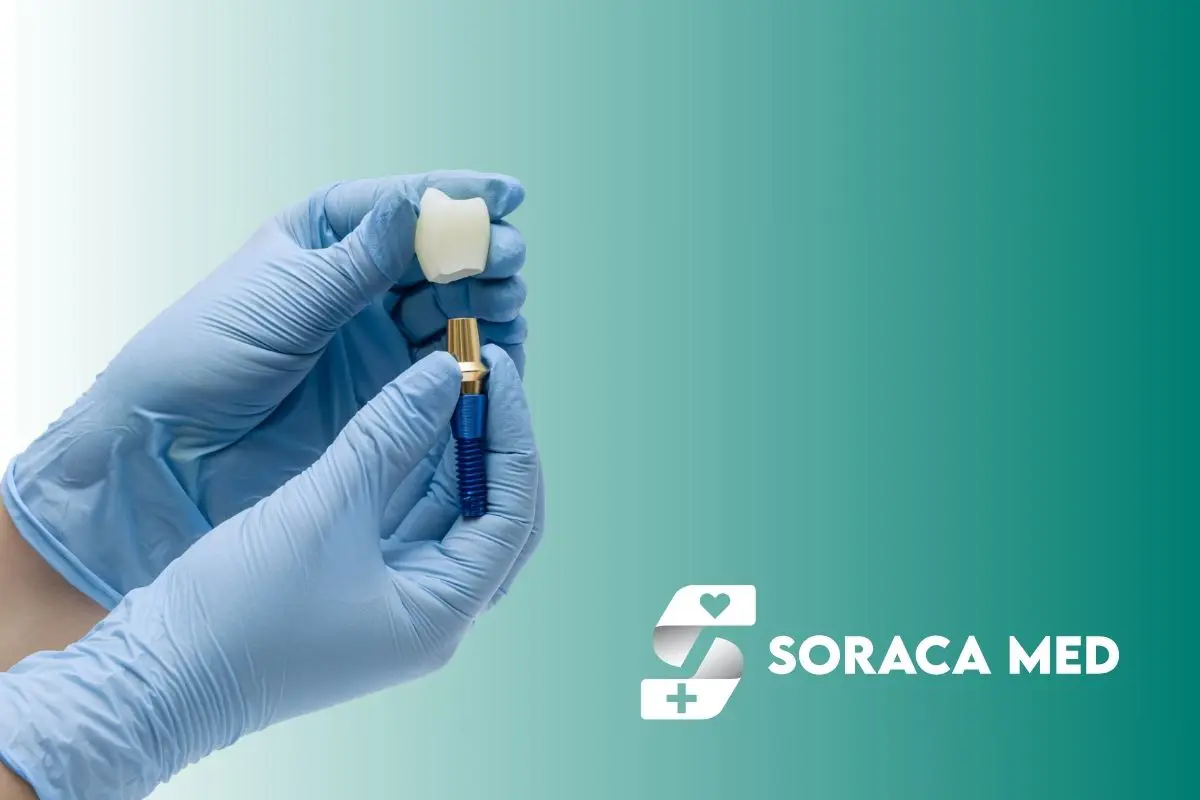
Understanding the tooth implant procedure in Hungary or abroad helps patients feel more confident and prepared before starting treatment. The process usually begins with an initial consultation, where your dentist evaluates your oral health through X-rays or 3D scans and creates a personalized treatment plan. This step is essential to determine whether additional procedures, such as extractions or bone grafting, are needed before placing the implants.
The next stage is the implant placement surgery, where titanium implants are inserted into the jawbone under local or general anesthesia. This is followed by a healing period, typically lasting 3 to 6 months, during which the implant integrates with the bone (osseointegration). Once healing is complete, the final step involves placing the abutment and permanent crown or full arch prosthesis. This structured approach ensures long-lasting, natural-looking results for patients undergoing dental implant surgery.
Recovery After Dental Implants
The dental implant recovery time in Hungary or any other country follows a similar healing process, and understanding this timeline helps patients set realistic expectations. In the first 2–3 days, mild swelling, discomfort, or sensitivity is completely normal. These symptoms can usually be managed with prescribed medication, and most patients are able to return to light daily activities shortly after the procedure.
Within the first week, the initial healing phase improves significantly, and any stitches (if placed) may be removed. However, the most important part of the process is the osseointegration period, which takes around 3 to 6 months. During this time, the implant fuses with the jawbone, creating a strong and stable foundation for the final crown or prosthesis. Following your dentist’s instructions, maintaining good oral hygiene, and attending follow-up appointments are essential for achieving long-term success.
Our Google Reviews


Our Bookimed Revews
Frequently Asked Questions
How much do dental implants cost in Hungary?
The average cost of dental implants in Hungary typically ranges between €1,000 and €2,000 per tooth, depending on the clinic, implant brand, and whether additional procedures are required. For patients needing a full smile restoration, treatments like All-on-4 usually cost between €6,000 and €9,000 per jaw, while All-on-6 can go up to €12,000. It’s important to request a detailed treatment plan to understand exactly what is included in the price.
Is Hungary cheaper than the UK for dental implants?
Yes, Hungary is significantly more affordable compared to the UK. In the UK, a single dental implant can cost between €2,500 and €4,000, which is often double the price in Hungary. This price difference is one of the main reasons why many UK patients choose to travel abroad for dental treatment.
Are dental implants cheaper in Turkey?
In most cases, yes. Turkey generally offers lower prices than Hungary, especially for full mouth treatments. In addition, many clinics in Turkey provide all-inclusive packages that include hotel accommodation, airport transfers, and full patient support, making the overall experience more convenient and cost-effective.
How long do dental implants last?
Dental implants are designed to be a long-term solution. With proper oral hygiene, regular dental check-ups, and a healthy lifestyle, implants can last 15 to 25 years or even a lifetime. The crown placed on top of the implant may need replacement after several years, but the implant itself is very durable.
Is it safe to travel abroad for dental treatment?
Yes, it is generally safe as long as you choose a reputable clinic with experienced dentists and verified patient reviews. Before making a decision, it’s recommended to check before-and-after cases, certifications, and whether the clinic provides clear communication and aftercare support.
Which country is best for dental implants?
There is no one-size-fits-all answer. Hungary offers European standards and proximity for EU patients, while Turkey is often preferred for its better price-to-quality ratio and full-service packages. The best option depends on your budget, expectations, and travel preferences.
Do dental implants hurt during or after the procedure?
The procedure itself is performed under local or general anesthesia, so patients usually do not feel pain during the surgery. After the procedure, mild discomfort or swelling is normal for a few days, but this can be easily managed with prescribed medication. Most patients describe the experience as more comfortable than expected.
How long do I need to stay in Hungary for dental implants?
Typically, dental implant treatment requires two visits. The first visit (3–5 days) is for implant placement, and the second visit (5–7 days), after a healing period of 3–6 months, is for placing the final crowns. Some clinics may offer temporary teeth during the healing phase.
Can I get dental implants if I have bone loss?
Yes, many patients with bone loss can still receive implants. However, you may need additional procedures such as a bone graft or sinus lift before the implants are placed. Your dentist will evaluate this through X-rays or 3D scans.
What is included in the dental implant price in Hungary?
In most Hungarian clinics, the quoted price usually includes the implant placement and basic components, but may not always include extras like crowns, bone grafting, medications, or accommodation. This is why it’s important to ask for a full breakdown of costs before starting treatment.
Is it better to choose Hungary or Turkey for dental implants?
If your priority is staying within Europe, Hungary is a solid choice. However, if you’re looking for a more affordable and all-inclusive experience, many patients find Turkey to be a better option. Clinics like Soraca Med offer packages that simplify the entire journey, especially for international patients.