
Table of Contents
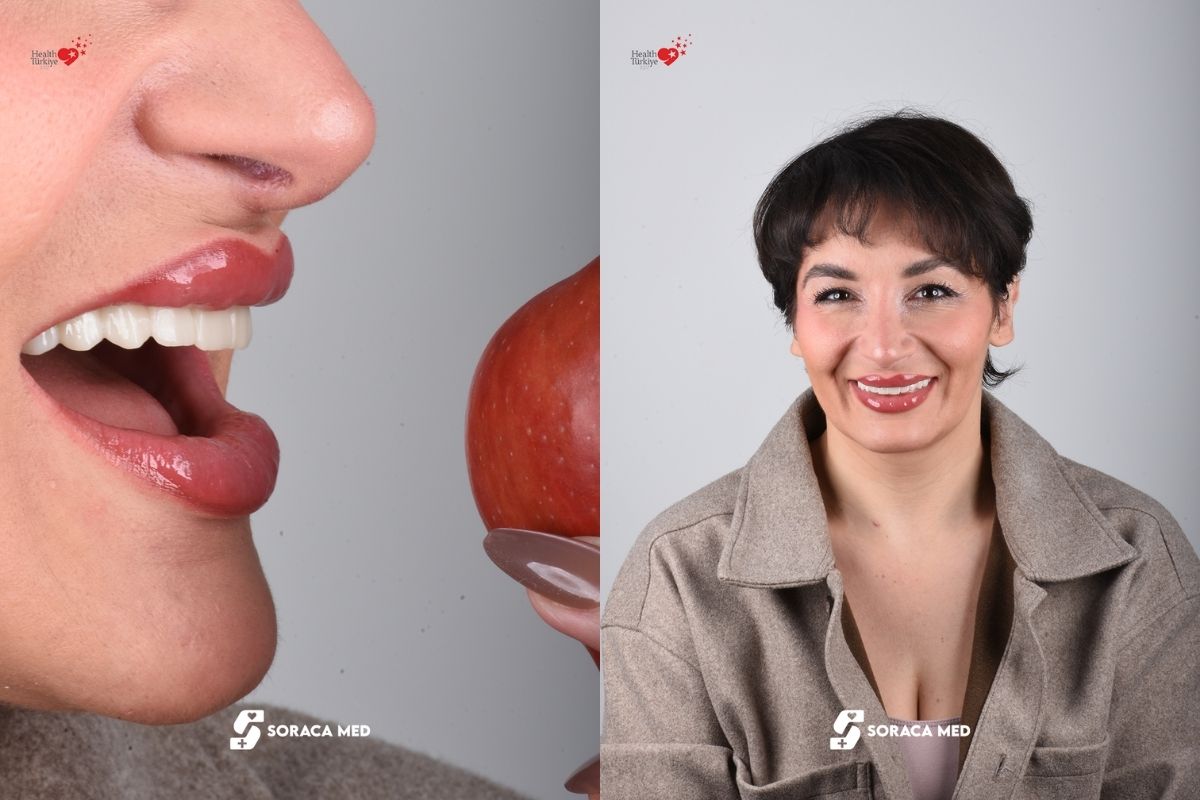
Losing multiple teeth doesn’t just affect how you smile it changes how you eat, speak, and live your daily life. Many patients feel frustrated after years of dealing with loose dentures, failing bridges, or repeated dental treatments that never seem to offer a permanent solution. This is exactly where all on four dental implants come into focus.
Unlike traditional implant treatments that may require months of healing and multiple surgeries, the All-on-4 concept is designed to restore a full set of fixed teeth in a much shorter time often in just one day. For patients looking for a stable, comfortable, and long-term alternative to removable dentures, this approach can feel life-changing.
However, beyond the promise of “same day teeth,” most patients have very real and practical questions before making a decision.
Will it hurt?
What can I eat after the procedure?
How long do the implants last?
Is it safe to travel for treatment?
And most importantly is it really worth the cost?
In this guide, we answer these questions honestly and clearly, based on what patients actually want to know not marketing claims. From cost and comfort to recovery, daily life, and long-term results, this article is designed to help you understand whether All-on-4 dental implants are the right solution for you.
What Problem Do All on Four Dental Implants Solve for Patients?
Many patients who have lost several teeth ask the same honest question:
“I have many missing teeth is this really a full solution, or just another marketing promise?”
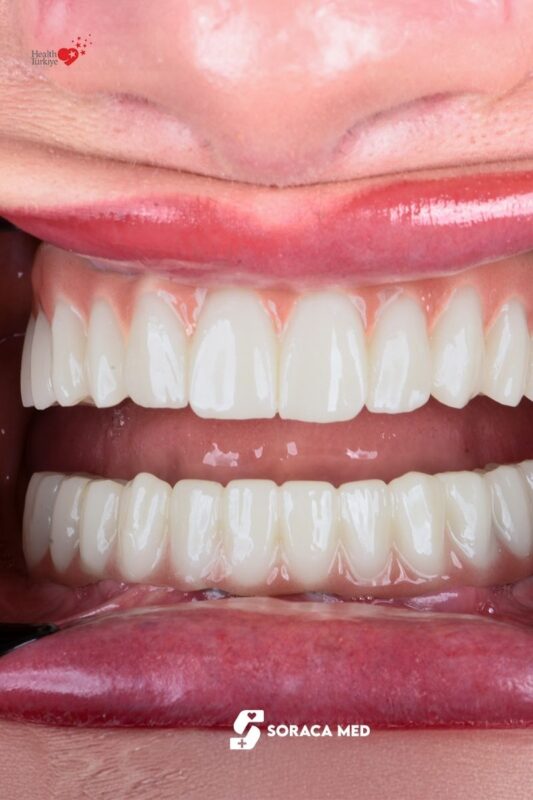
All-on-4 dental implants are designed specifically for people who need a full mouth restoration, not a temporary fix. Instead of replacing teeth one by one or relying on removable dentures, this approach rebuilds an entire arch of teeth using a strategically planned system of implants that support a fixed, non-removable full set of dental implants.
For patients who struggle with chewing, speaking, or feeling confident because of missing teeth, this treatment focuses on restoring function first then aesthetics.
Who Is All-on-4 Suitable For?
All-on-4 dental implants are commonly recommended for patients who:
- Have lost most or all of their teeth
- Are unhappy with loose or uncomfortable dentures
- Have experienced bone loss that makes traditional implants more complex
- Want to fix teeth permanently rather than rely on removable solutions
In many cases, even patients who were previously told they are “not suitable for implants” may still be candidates for All-on-4 due to the angled implant placement that maximizes existing bone.
How Is All-on-4 Different from Dentures?
Traditional dentures rest on the gums and can move while eating or speaking. Over time, they may cause discomfort, pressure sores, and further bone loss. In contrast, full dental implants supported by the All-on-4 system are fixed in place and feel much closer to natural teeth.
Patients often notice:
- Improved stability when eating
- Clearer speech
- No need for denture adhesives
- Greater confidence in daily life
This is why many people describe All-on-4 as a true full mouth restoration, not just a cosmetic upgrade.
Why Choose All-on-4 Instead of Individual Implants?
Placing individual implants for every missing tooth can be time-consuming, expensive, and may require bone grafting. All-on-4 uses four strategically positioned implants to support a complete arch, reducing surgical complexity while still providing a strong and long-lasting result.
For patients seeking an efficient, reliable way to restore a full set of dental implants, All-on-4 offers a balanced solution combining function, comfort, and long-term stability without unnecessary procedures.
What Is the All on Four Dental Implants Procedure Like, Step by Step?
One of the most common questions patients ask before choosing this treatment is simple and very human:
“What actually happens on the treatment day?”
Understanding the process helps reduce anxiety and sets realistic expectations. The All-on-4 procedure is carefully planned in advance, so treatment day is structured, controlled, and focused on patient comfort.
Before the day of surgery, detailed scans and digital planning are performed to determine the ideal placement for the implants. This preparation is what allows the procedure to move efficiently and safely.
Can I Really Get Fixed Teeth in One Day?
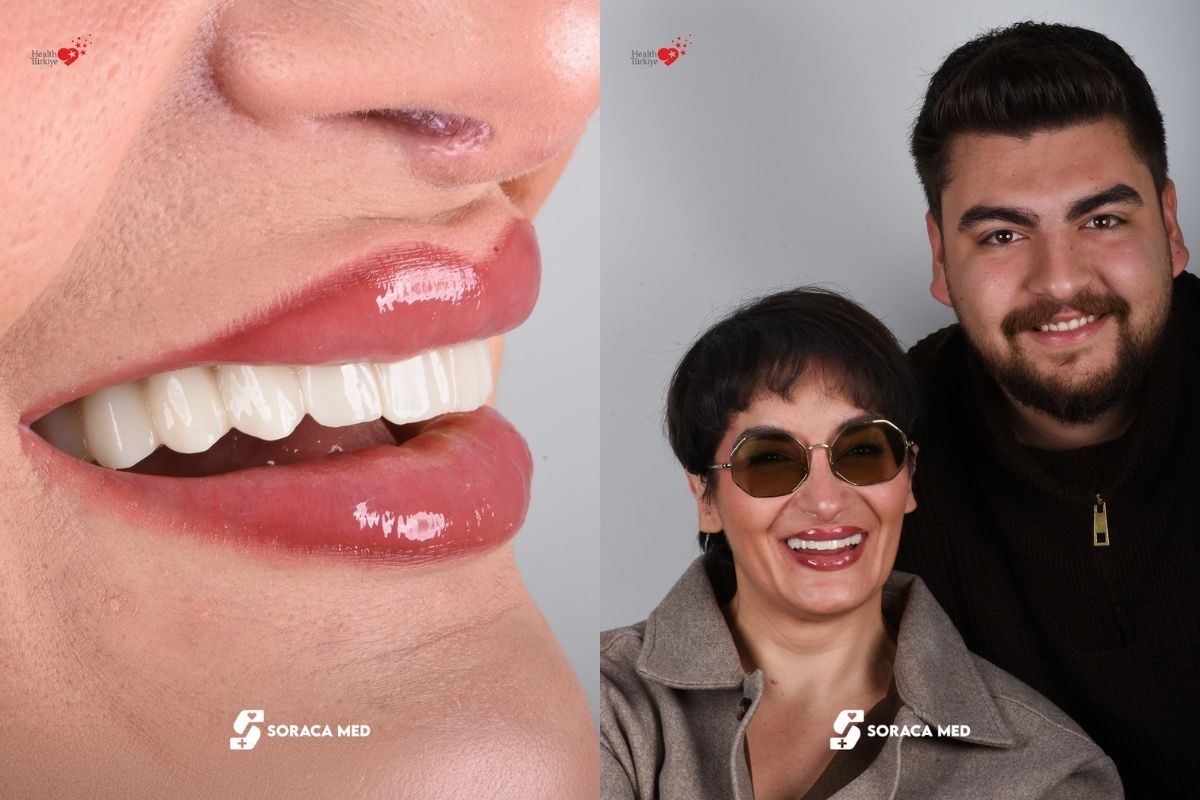
Yes in many cases, patients can leave the clinic with fixed teeth on the same day. This is often referred to as “smile in a day” or “same day teeth,” but it’s important to understand what this truly means.
On the treatment day:
- Any remaining failing teeth are gently removed if necessary
- Four dental implants are placed strategically into the jawbone
- A temporary fixed prosthesis is attached to the implants
This temporary bridge allows patients to smile, speak, and eat soft foods immediately after the procedure. While the final, permanent teeth are placed after full healing, having dental implants all on four means you are never without teeth during the process.
Is the Procedure Painful or Done Under Anesthesia?
Patient comfort is a top priority during the All-on-4 procedure. The treatment is typically performed under local anesthesia, and in many cases, sedation is also offered for patients who feel anxious or nervous.
Most patients report:
- Little to no pain during the procedure
- Mild swelling or discomfort in the days following treatment
- Pain that is easily managed with prescribed medication
Because the implants are placed in a controlled and planned manner, the procedure is often less uncomfortable than patients expect. Many are surprised by how quickly they feel stable and functional after receiving their same day teeth.
What Can I Eat After All on Four Dental Implants?
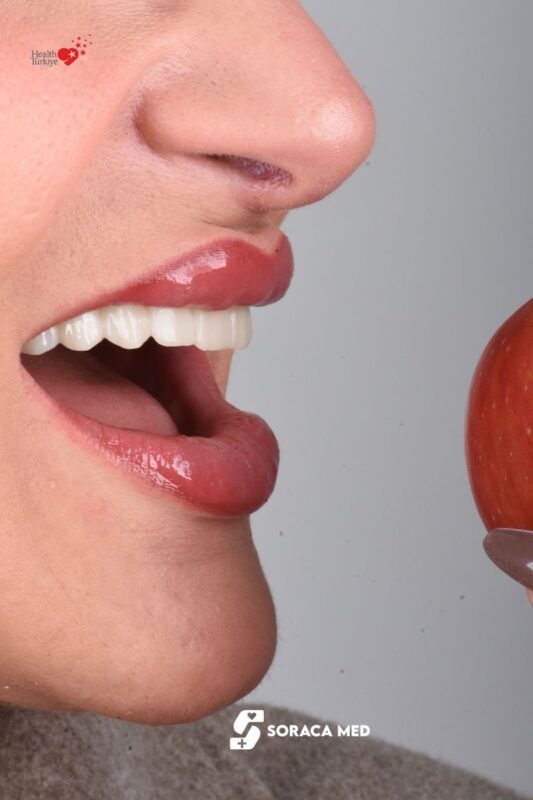
One of the first practical questions patients ask after treatment is:
“What can I eat after all on four dental implants?”
Closely followed by:
“When can I eat normally again?”
Eating correctly during the early healing phase is essential not because the implants are weak, but because the surrounding tissues and bone need time to adapt. Following the right diet helps protect your implants, reduce discomfort, and support long-term success.
What Foods Are Safe in the First 7 Days?
During the first week, your focus should be on soft, easy-to-chew foods that place minimal pressure on the implants. Although your teeth are fixed, the implants are still integrating with the bone.
Safe options include:
- Smooth soups and broths (lukewarm, not hot)
- Mashed potatoes, yogurt, and soft cheeses
- Scrambled eggs or soft omelets
- Blended vegetables and soft fruits
- Protein shakes and smoothies (without hard seeds)
It’s also important to:
- Avoid very hot foods and drinks, as heat can increase swelling
- Chew gently and distribute pressure evenly
- Take smaller bites to reduce stress on the implants
When Can I Return to a Normal Diet?
Most patients gradually return to a more normal diet within 4 to 6 weeks, depending on individual healing and your dentist’s guidance. As the implants become more stable, you can slowly introduce firmer foods.
However, even during this phase, it’s recommended to:
- Avoid biting directly into very hard foods
- Cut food into smaller pieces
- Chew evenly on both sides
Your final, permanent teeth are usually placed after complete healing, at which point most patients can enjoy a fully normal diet with confidence.
What Foods Should I Avoid to Protect My Implants?
Certain foods can place unnecessary stress on your new teeth, especially during early healing. To protect your implants, it’s best to avoid:
- Hard foods such as nuts, ice, and hard candy
- Sticky foods like chewing gum or caramel
- Crunchy items such as raw carrots or crusty bread
- Very spicy foods that may irritate healing tissues
Being mindful of what you eat during recovery plays a major role in the long-term success of your all on four dental implants and helps ensure your new smile remains comfortable, stable, and functional.
When Can I Return to Normal Life After All on Four Dental Implants?
After treatment, many patients don’t just think about their teeth they think about their daily responsibilities.
“Can I work, travel, or exercise after treatment?” is one of the most common and practical questions.
The good news is that All-on-4 dental implants are designed to minimize downtime. While your body needs time to heal, most patients can return to many normal activities sooner than expected with a few sensible precautions.
When Can I Go Back to Work?
For desk-based or non-physical jobs, many patients return to work within 2 to 5 days after the procedure. Mild swelling or tenderness may still be present, but it usually does not interfere with everyday tasks.
If your job involves physical labor or heavy lifting, your dentist may recommend taking a bit more time off to avoid increasing blood pressure in the surgical area. Every recovery is individual, so personal guidance is always important.
Can I Travel After All on Four Dental Implants?
Yes many patients travel specifically for All-on-4 treatment and return home shortly afterward. In most cases, short-distance travel is possible within a few days, provided there are no complications and post-treatment instructions are followed.
For international travel or flights:
- It’s generally advised to wait a few days before flying
- Staying hydrated and resting during travel is important
- Follow-up instructions should be clear before leaving the clinic
This is why proper planning and communication with your dental team are essential, especially for patients receiving treatment abroad.
When Is Exercise Safe Again? H3
Light activities such as walking can usually be resumed within a few days, as long as you feel comfortable. However, strenuous exercise, heavy lifting, and high-impact workouts should be avoided for at least 2 to 3 weeks.
Intense physical activity can increase blood flow and pressure, potentially affecting healing around the implants. Gradually returning to exercise rather than rushing helps protect your results and supports long-term implant success.
How Comfortable Do All on Four Dental Implants Feel in Daily Life?
One of the most important questions patients ask is not about the surgery it’s about everyday life afterward:
“Will they feel like real teeth or bulky dentures?”
Comfort is where many dental solutions fall short. All-on-4 dental implants are specifically designed to provide fixed teeth that feel stable, natural, and secure throughout the day. Unlike removable dentures, they are anchored directly to the implants, creating a sensation much closer to natural teeth.
Speaking, Smiling, and Chewing: What Feels Different?
Most patients notice a significant improvement in daily comfort once swelling subsides. Speaking often feels clearer because there is no movement or bulk resting on the gums, and smiling becomes more natural without fear of shifting or clicking.
When it comes to chewing, comfortable dental implants allow for even bite force distribution. This means:
- Greater confidence when eating
- Less pressure on the gums
- Improved control compared to removable dentures
Many patients say the fixed teeth feeling helps them forget they ever had missing teeth.
Do They Move or Feel Loose?
No one of the key advantages of All-on-4 is stability. The prosthetic teeth are securely attached to the implants and do not move or slip during normal activities.
During the healing phase, the implants gradually integrate with the jawbone, further increasing stability over time. Once fully healed, patients typically report that their teeth feel firm and reliable without the looseness or insecurity associated with traditional dentures.
This level of comfort is why many people choose All-on-4 dental implants as a long-term solution for restoring not just their smile, but their quality of life.
How Much Do All on Four Dental Implants Cost?
For many patients, cost is the deciding factor but it’s also one of the most confusing parts of treatment.
“How much do all on four dental implants cost, and what am I actually paying for?”
The price of All-on-4 treatment can vary significantly depending on several clinical and logistical factors. Understanding what influences the all on four dental implants price helps patients make informed decisions rather than focusing on numbers alone.
What Affects the Price of All on Four Dental Implants?
There is no single fixed cost, because each treatment plan is personalized. The most important factors that influence the all on four dental implants cost include:
- Implant brand and materials
Premium implant systems and high-quality prosthetic materials often offer better long-term durability and comfort. - Type of prosthetic teeth
Temporary and final restorations differ in materials, aesthetics, and longevity, which can affect overall pricing. - Surgeon’s experience and clinic standards
Advanced training, digital planning, and strict hygiene protocols play a crucial role in both safety and outcomes. - Country and location of treatment
Prices can vary widely between countries due to operating costs, regulations, and healthcare infrastructure.
While lower prices may be appealing, it’s important to look beyond the headline figure and consider what is included in the treatment package.
Is the Price Per Jaw or Full Mouth?

This is a common point of confusion. In most cases, All-on-4 pricing is quoted per jaw meaning one arch (upper or lower). A full mouth restoration typically involves two separate treatments: one for the upper jaw and one for the lower.
When comparing prices, patients should always confirm:
- Whether the quote is per jaw or for both jaws
- What is included (implants, temporary teeth, final prosthesis, follow-up care)
- Whether additional procedures could affect the final cost
Clear communication about pricing helps avoid surprises and ensures patients understand the true value of their full dental implants treatment.
All on Four Dental Implants: UK vs Turkey vs Antalya
Patients researching treatment abroad often reach a critical comparison stage:
“Should I have All-on-4 dental implants in the UK, or consider treatment in Turkey and why is Antalya so frequently recommended?”
Understanding the differences between locations helps patients weigh cost, quality, safety, and overall experience before making a decision.
Why Are All on Four Dental Implants Cheaper in Turkey?
One of the most searched comparisons is all on four dental implants UK vs Turkey, mainly due to the significant price difference. However, lower costs in Turkey are not the result of lower quality they are largely driven by economic and structural factors.
Key reasons include:
- Lower operating and labor costs compared to the UK
- Favorable exchange rates for international patients
- High patient volume, allowing clinics to optimize efficiency
- Government-supported health tourism, which encourages competitive pricing
In the UK, treatment costs are higher due to clinic overheads, insurance structures, and labor expenses. In contrast, all on four dental implants Turkey often offer the same internationally recognized implant systems and modern technology at a more accessible price point.
Is Treatment in Antalya Safe for International Patients?
Safety is understandably a top concern, especially for patients traveling abroad. Antalya has become a leading destination for dental tourism because it combines medical expertise with strong infrastructure and international patient experience.
Treatment in Antalya is regulated by national healthcare standards, and reputable clinics operate under strict hygiene and sterilization protocols. Many facilities are designed specifically to treat international patients, offering:
- Digital planning and advanced imaging
- Multilingual patient coordinators
- Clear pre- and post-treatment guidance
- Structured aftercare and follow-up plans
Choosing all on four dental implants Antalya often appeals to patients who want both affordability and reassurance along with the convenience of recovery in a well-developed medical tourism destination.
When comparing countries, the key is not only where treatment is cheapest, but where it is safe, well-regulated, and professionally managed from consultation through aftercare.
How Long Do All on Four Dental Implants Last?
One of the most important questions patients ask before committing to treatment is simple and direct:
“Is this a lifetime solution?”
The short answer is that All-on-4 dental implants are designed to be long-lasting, but understanding what “lasting” truly means requires looking at two separate components: the implants themselves and the teeth attached to them.
Implant Lifespan vs Prosthetic Lifespan
The dental implants placed in the jaw are made from biocompatible titanium and are intended to integrate permanently with the bone. With proper care, these implants can last many decades and, in many cases, a lifetime.
The prosthetic teeth, however, are subject to daily wear from chewing, grinding, and normal use. While they are highly durable, they may need maintenance or replacement over time typically after many years depending on the material used and individual habits.
This distinction is important for setting realistic expectations and understanding long-term care.
What Can Shorten or Extend Implant Longevity?
Several factors influence how long All-on-4 dental implants remain successful:
- Oral hygiene habits
Regular cleaning and professional check-ups help protect both the implants and surrounding tissues. - Lifestyle factors
Smoking, excessive alcohol use, or untreated teeth grinding can reduce implant longevity. - Bone health and general health
Conditions such as uncontrolled diabetes may affect long-term stability if not properly managed. - Quality of treatment and follow-up care
Accurate placement, high-quality materials, and structured aftercare significantly extend implant lifespan.
When patients follow professional guidance and maintain good oral hygiene, All-on-4 dental implants often provide a stable, reliable, and long-term solution rather than a temporary fix.
Our Google Reviews
Our Bookimed Reviews
Frequently Asked Questions About All on Four Dental Implants
What is all on four dental implants?
All-on-4 dental implants are a treatment method that restores a full arch of teeth using four strategically placed dental implants. These implants support a fixed, non-removable bridge, providing a stable alternative to dentures. The technique is designed for full mouth restoration with fewer implants and faster results.
How much do all on four dental implants cost?
The cost of all-on-4 dental implants varies depending on factors such as implant brand, materials used, surgeon experience, and the country of treatment. Prices are usually quoted per jaw rather than for the full mouth. A personalized consultation is necessary to determine the exact cost.
Are all on four dental implants comfortable?
Yes, most patients find all-on-4 dental implants very comfortable once healing is complete. Because the teeth are fixed and securely attached to implants, they do not move or slip like dentures. This creates a feeling closer to natural teeth during speaking and chewing.
How long do all on four dental implants last?
The implants themselves are designed to last for many years and often a lifetime with proper care. The prosthetic teeth may require maintenance or replacement over time due to normal wear. Good oral hygiene and regular check-ups significantly extend the lifespan of the treatment.
Is all on four better than traditional implants?
All-on-4 can be a better option for patients who need full mouth restoration and want a faster, less invasive solution. Compared to traditional implants, it often requires fewer implants and less bone grafting. However, the best option depends on individual oral health and treatment goals.
Is All on Four Dental Implants the Right Choice for You?
After learning about the procedure, recovery, comfort, and cost, many patients reach the same final question:
“Is All-on-4 really the right choice for me?”
The answer depends on your oral health, expectations, and long-term goals. While All-on-4 dental implants offer a powerful solution for many patients, they are not the ideal option for everyone and understanding this builds trust.
Who Is All-on-4 Ideal For?
All-on-4 dental implants may be an excellent choice if you:
- Have lost most or all of your teeth
- Struggle with loose or uncomfortable dentures
- Want a fixed, non-removable solution
- Prefer a shorter treatment timeline with predictable results
- Are looking for long-term function rather than a temporary fix
For many patients, this treatment restores not only their smile but also their confidence and quality of life.
Who May Need an Alternative Approach?
In some cases, alternative treatments may be more appropriate. Patients who:
- Have complex medical conditions that affect healing
- Require a different implant configuration based on bone structure