
Table of Contents
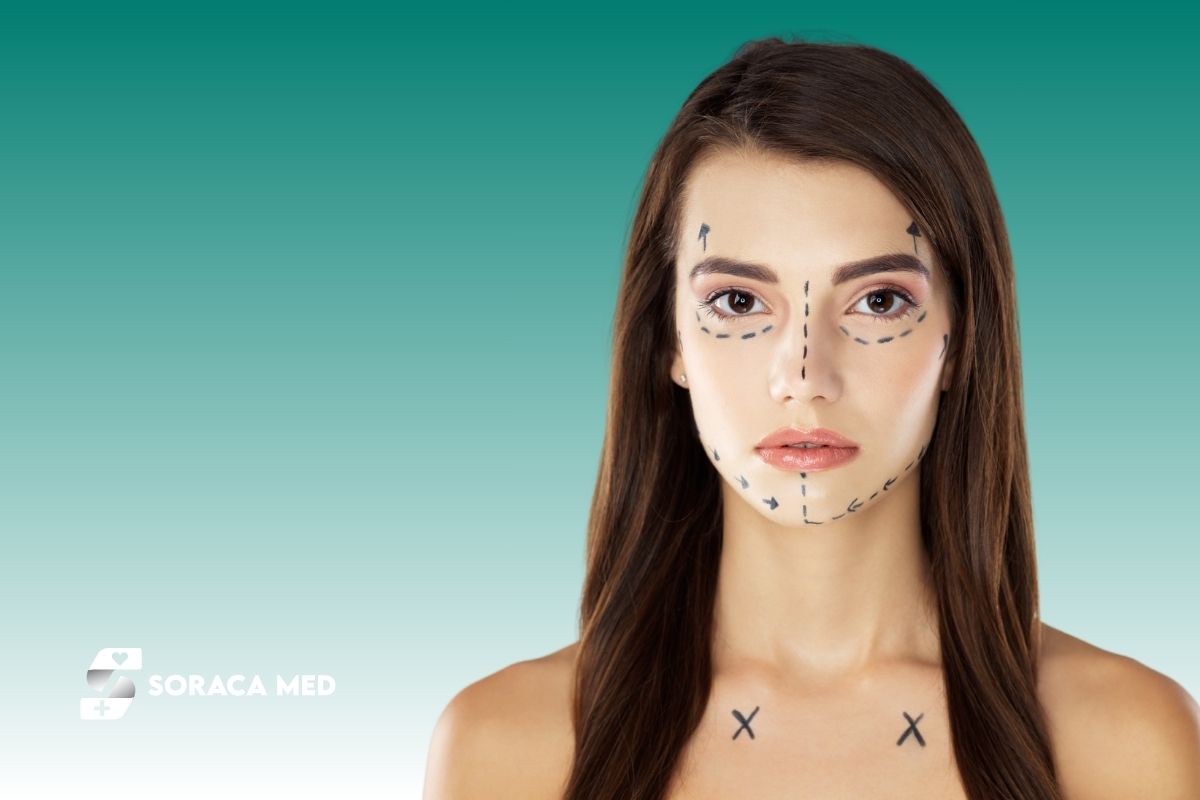
The eyes are often the first feature people notice and one of the earliest areas to show signs of aging. Over time, skin laxity around the eyelids, fat displacement, and muscle weakening can lead to a tired or aged appearance that no amount of makeup or skincare can fully correct. For many patients, this change goes beyond aesthetics and begins to affect confidence, facial expression, and even daily comfort.
Blepharoplasty in Turkey has become a preferred solution for individuals seeking natural-looking eyelid rejuvenation within a safe, well-structured medical tourism framework. Rather than aiming for dramatic change, the procedure focuses on restoring a refreshed and well-rested appearance by addressing concerns such as droopy eyelids, excess skin, and under-eye puffiness while preserving the natural character of the face.
Patients considering eyelid surgery often share similar questions: Is this procedure right for me? Will the results look natural? How long is the recovery, and what should I realistically expect? These are valid concerns, especially when treatment is planned abroad. The key lies in proper patient selection, clear communication, and a personalized approach rather than a standardized solution.
In this guide, you will find clear, patient-focused information about eyelid surgery in Turkey from procedure types and recovery timelines to cost considerations and realistic outcomes. The goal is not to persuade, but to inform so you can make a confident decision based on medical clarity, safety, and long-term satisfaction.
What Is Blepharoplasty?
Blepharoplasty is a surgical procedure designed to improve the appearance of the upper and/or lower eyelids by addressing changes that occur with aging. The aim is not to alter how you look, but to restore a more refreshed, rested expression by removing or repositioning excess skin and tissue around the eyes.
As we age, the delicate skin around the eyes gradually loses elasticity. Fat that once supported a smooth contour can shift, and muscles may weaken. These changes often lead to sagging upper eyelids, under-eye bags, and a heavier appearance around the eyes. In many cases, this creates droopy eyelids that make the face look tired, sad, or older than the person actually feels.
Within a medical tourism context, eyelid surgery in Turkey is commonly chosen by patients seeking a balance of experienced surgeons, modern facilities, and a structured treatment journey. The focus is on achieving natural-looking results that fit the patient’s facial anatomy, rather than creating an overcorrected or artificial appearance.
Blepharoplasty can have a significant impact on overall facial expression. When excess skin and puffiness are addressed correctly, the eyes appear more open and alert, which often makes the entire face look more youthful and energetic. For many patients, the benefit is not just aesthetic it is also an improvement in confidence and how they feel when they look in the mirror.
Who Is a Good Candidate for Blepharoplasty?
Choosing the right candidates for blepharoplasty is essential for achieving safe, natural, and satisfying results. This procedure is most effective when it is performed on patients whose concerns are clearly related to the eyelids rather than other areas of the face. Proper evaluation helps ensure that the surgery addresses the real cause of the problem and meets realistic expectations.
Blepharoplasty Is Suitable If:
You may be a good candidate for blepharoplasty if you have noticeable sagging of the upper or lower eyelids that affects your appearance or comfort. Excess skin on the upper eyelids can sometimes interfere with the visual field, making daily activities more difficult and contributing to eye fatigue.
Many patients also seek treatment because they feel their eyes make them look constantly tired or older than they feel. In such cases, blepharoplasty can help restore a brighter, more rested appearance without changing the natural shape of the eyes.
Who Is NOT an Ideal Candidate?
Blepharoplasty may not be the right solution if the main issue is brow drooping rather than eyelid skin excess. In these situations, a brow lift or alternative treatment may provide more balanced results.
Patients with active eye conditions or untreated medical issues affecting eye health are generally advised to postpone surgery until these conditions are properly managed. Additionally, individuals with unrealistic expectations such as expecting the procedure to completely stop aging or dramatically alter their facial features may not be ideal candidates until expectations are clearly aligned.
A detailed consultation is the key to determining whether blepharoplasty is appropriate. When patient selection is done carefully, outcomes are more predictable, natural-looking, and aligned with long-term satisfaction.
Types of Blepharoplasty in Turkey
Blepharoplasty is not a single, uniform procedure. The technique is selected based on whether the concern is related to the upper eyelids, lower eyelids, or both. Understanding these differences helps patients choose the most appropriate approach and achieve natural, well-balanced results.
Upper Blepharoplasty in Turkey
Upper blepharoplasty focuses on issues affecting the upper eyelids, most commonly excess skin that creates a heavy or hooded appearance. This sagging can make the eyes look tired and, in some cases, may even interfere with the field of vision.
The incision is carefully placed within the natural crease of the upper eyelid, which allows any resulting scar to remain discreet once healed. Because this area naturally folds when the eyes are open, scars typically blend in very well over time.
Upper blepharoplasty is ideal for patients who notice drooping skin on the upper lids but do not have significant problems in the lower eyelid area. It is often chosen by individuals seeking a fresher, more open eye appearance without changing the natural shape of their eyes.
Lower Blepharoplasty in Turkey
Lower blepharoplasty addresses concerns such as under-eye bags, puffiness, and skin laxity beneath the eyes. These issues are often caused by a combination of fat protrusion and loosening of the skin over time.
A key part of planning lower eyelid surgery is understanding the difference between fat herniation and skin laxity. In some patients, under-eye bags are mainly due to displaced fat, while in others, loose skin plays a larger role. The surgical approach is adjusted accordingly to avoid overcorrection.
The goal of lower blepharoplasty is always a natural result smoothing the under-eye area while preserving a soft and youthful transition between the lower eyelid and the cheek. When performed with careful technique, the outcome looks refreshed rather than surgically obvious.
Blepharoplasty Procedure: Step-by-Step
Understanding how blepharoplasty is performed helps many patients feel more comfortable and confident before surgery. While every treatment plan is personalized, the overall process follows a clear and patient-focused structure designed to prioritize safety, comfort, and natural results.
The process begins with a thorough pre-operative evaluation. During this stage, the eyelids are carefully assessed, and factors such as skin quality, muscle tone, and fat distribution are reviewed. The patient’s medical history and expectations are also discussed to ensure the procedure is planned in a way that suits both facial anatomy and personal goals.
The operation itself is carried out using well-established surgical techniques. In the context of eyelid surgery in Turkey, procedures are performed in modern medical facilities with a strong emphasis on patient safety and comfort. The surgeon focuses on removing or repositioning excess tissue while preserving the natural shape and function of the eyelids.
The duration of the procedure varies depending on whether the upper eyelids, lower eyelids, or both are treated. In most cases, the surgery takes between one and two hours.
Blepharoplasty is typically planned as a day procedure. Patients are usually discharged on the same day after a short period of observation, allowing them to recover comfortably without the need for an extended hospital stay.

Recovery Timeline & Return to Daily Life
Recovery after blepharoplasty is generally smooth and well tolerated when post-operative instructions are followed carefully. Knowing what to expect at each stage helps patients plan their time and feel more at ease throughout the healing process.
First Week
During the first week, swelling and bruising around the eyes are normal and expected. The eye area may feel sensitive or tight, especially in the first few days. These effects gradually improve as healing progresses and usually become less noticeable day by day.
Keeping the head elevated, applying cold compresses as advised, and resting the eyes can help reduce discomfort and support recovery during this initial phase.
2–3 Weeks
By the second and third weeks, most visible swelling and bruising have significantly subsided. At this stage, many patients feel comfortable returning to social activities and resuming light daily routines.
For those who work in non-physical or office-based roles, this period is often suitable for returning to work. Any remaining signs of surgery are usually mild and can be easily concealed if needed.
Final Results
While early improvements are noticeable within the first few weeks, the final results of blepharoplasty become clearer as the tissues fully settle. This process can take several weeks to a few months, depending on individual healing.
Once healing is complete, the eyes appear more open, refreshed, and naturally rejuvenated. The goal is a result that enhances the face subtly providing a youthful and rested look without appearing surgical or overdone.
Will There Be Visible Scars After Eyelid Surgery?
Scarring is a common concern for patients considering eyelid surgery, but modern blepharoplasty techniques are designed to keep scars as subtle as possible. Careful planning of incision placement plays a key role in achieving natural-looking results.
For upper eyelid procedures, incisions are typically placed within the natural crease of the eyelid. This allows the scar to be well concealed when the eyes are open. In lower eyelid surgery, incisions may be positioned just below the lash line or, in selected cases, inside the eyelid, where they are not visible from the outside.
By using the eye’s natural folds and contours, surgeons ensure that scars blend seamlessly with the surrounding skin. Over time, these incision lines soften and gradually fade, becoming less noticeable as healing progresses.
The ultimate goal is a natural and barely noticeable outcome. For most patients, scars become difficult to detect once healing is complete, allowing the focus to remain on refreshed eyes rather than signs of surgery.
Blepharoplasty Cost in Turkey
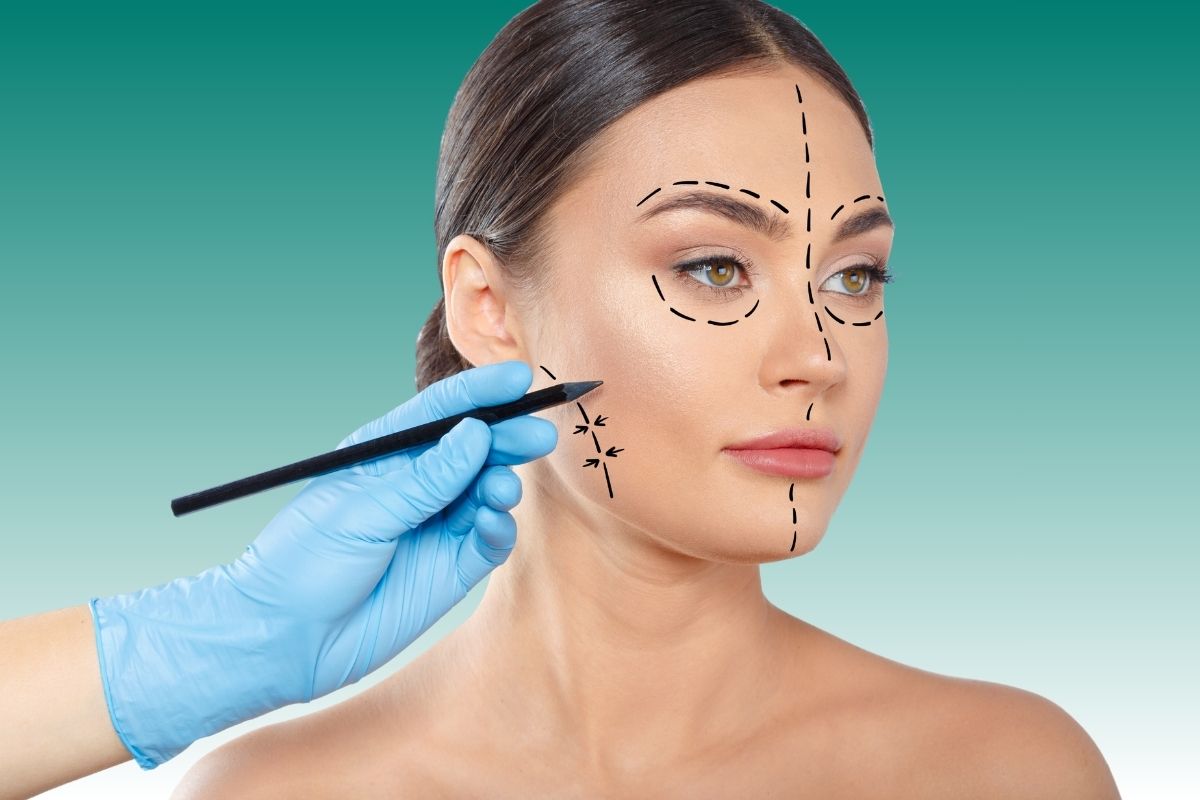
Cost is one of the most common considerations for patients planning eyelid surgery abroad. The blepharoplasty cost in Turkey is generally more accessible compared to many European countries, while still offering high medical standards and experienced surgical teams. However, it is important to understand that pricing is not fixed and depends on several individual factors.
How Much Does Blepharoplasty Cost in Turkey?
Patients searching how much does blepharoplasty cost in Turkey should know that the final price is determined after a personalized evaluation. The blepharoplasty in Turkey price can vary based on the type of procedure, surgical complexity, and the overall treatment plan. For this reason, the cost of blepharoplasty in Turkey is best discussed after a consultation rather than viewed as a single standard figure.
Several factors influence pricing, including:
- Whether the surgery involves the upper eyelids, lower eyelids, or both
- The extent of skin removal or fat repositioning required
- The surgeon’s experience and the medical facility used
- Pre- and post-operative care included in the treatment
Upper and lower eyelid procedures may differ in cost, as they address different anatomical concerns and may require different techniques. In some cases, combining upper and lower blepharoplasty can be more cost-effective than performing them separately.
From a health tourism perspective, many patients benefit from an all-inclusive package approach. These packages are designed to simplify the process by covering medical care, hospital services, and coordinated support, allowing patients to focus on their recovery rather than logistics. When evaluating cost, it is always recommended to consider the overall value quality of care, safety standards, and long-term results rather than choosing based on price alone.
Why Choose Turkey for Blepharoplasty?
Turkey has become one of the leading destinations for blepharoplasty, offering a strong combination of medical expertise, modern infrastructure, and patient-focused care. For international patients, the country provides a well-developed health tourism environment that supports both safety and comfort throughout the treatment journey.
One of the key advantages is Turkey’s advanced health tourism infrastructure. Accredited hospitals, modern surgical facilities, and internationally trained medical teams work together to deliver high standards of care. This system allows patients to receive treatment in a professional setting while benefiting from coordinated medical and logistical support.
Turkey is also known for its experienced surgeons, many of whom specialize in facial and eyelid procedures. Their familiarity with different eye anatomies and aesthetic expectations enables them to plan treatments that prioritize natural results rather than a one-size-fits-all approach.
Ease of travel is another important factor. Turkey is easily accessible from many countries, with frequent international flights and well-established options for accommodation. This makes it convenient for patients to plan their stay and focus on recovery without unnecessary stress.
Finally, Turkey offers an excellent price–quality balance. Compared to many Western countries, patients can access high-quality blepharoplasty at more reasonable costs, without compromising safety or results. This balance is a major reason why Turkey continues to be a preferred choice for eyelid surgery within the global health tourism landscape.
Why Choose Soraca Med?
Choosing the right partner is just as important as choosing the right procedure. Soraca Med acts as a patient-focused coordinator, guiding international patients through every stage of their blepharoplasty journey with clarity, care, and transparency.
The approach at Soraca Med is built around patient-centred coordination. Rather than offering standardized solutions, each patient’s needs, expectations, and medical background are carefully considered to ensure the treatment plan is both appropriate and safe.
Another key strength is the careful selection of clinics and surgeons. Soraca Med works with experienced medical professionals and accredited facilities, helping patients access the right expertise for their specific concerns. This ensures that treatment decisions are based on medical suitability rather than convenience.
From the initial consultation to post-treatment follow-up, Soraca Med provides structured treatment process management. This includes scheduling, communication, and logistical support, allowing patients to focus on their recovery rather than navigating an unfamiliar healthcare system.
With extensive international patient experience, Soraca Med understands the expectations and concerns of patients traveling from abroad. Clear communication, cultural sensitivity, and continuity of care help create a smooth and reassuring experience from arrival to return home.
Our Google Reviews
Our Bookimed Reviews
Frequently Asked Questions
How much does blepharoplasty cost in Turkey?
The cost of blepharoplasty in Turkey varies depending on whether the procedure involves the upper eyelids, lower eyelids, or both. Other factors include the complexity of the surgery, the technique used, and the level of post-operative care provided. Patients receive a personalized treatment plan after consultation, which ensures pricing reflects individual needs rather than a fixed package.
Is blepharoplasty painful?
Blepharoplasty is generally well tolerated by most patients. Discomfort is usually mild and described as tightness or sensitivity around the eyes rather than pain. Any discomfort during the early recovery period can be effectively managed with prescribed medication and proper aftercare.
How long does recovery take?
Initial recovery typically takes one to two weeks, during which swelling and bruising gradually decrease. Most patients feel comfortable returning to daily activities and social life within this time frame. Complete healing continues over several weeks, with results becoming more refined as the tissues settle.
Can upper and lower eyelid surgery be done together?
Yes, upper and lower eyelid surgery can often be performed during the same procedure when both areas require correction. Combining the two can provide more balanced results and may reduce overall recovery time compared to undergoing separate surgeries.
When can I travel after eyelid surgery?
Most patients are able to travel within 7 to 10 days after eyelid surgery, depending on how their recovery progresses. This allows sufficient time for initial healing and follow-up before flying. Your surgeon will provide personalized advice based on your individual recovery.