
Table of Contents
After blepharoplasty, swelling and bruising peak on days 2 to 3, stitches are usually removed around day 5 to 7, and most people return to desk work after 7 to 10 days. Contact lenses and eye make-up usually wait about 2 weeks, strenuous exercise 2 to 3 weeks, and the final result is seen once residual swelling settles over 2 to 3 months, with scars maturing up to 6 months or longer. Every treatment plan at Soraca Med is reviewed by our plastic surgeon, Dr. Gökhan Bacak.
| Day or week | What you will usually notice | What you can usually do |
| Day 1 | Swelling, tightness, watery or blurry vision | Rest with head raised, cold compresses |
| Days 2 to 3 | Peak swelling and bruising (“black eyes”) | Rest, short walks indoors, eye drops |
| Days 4 to 5 | Swelling starts to go down, eyes feel dry or itchy | Gentle daily activities, reading in short spells |
| Days 5 to 7 | Stitches removed; bruising turns yellow | Many people feel comfortable going out |
| Week 2 | Most bruising gone, mild swelling | Desk work, eye make-up and lenses when cleared |
| Weeks 3 to 4 | Eyes look much more natural | Exercise gradually resumed |
| Months 2 to 3 | Residual swelling resolves | Result close to final |
| Month 6+ | Scars soft and pale | Final result |
What Is Blepharoplasty Recovery?
Blepharoplasty recovery is the healing period after eyelid surgery, when the thin skin, muscle and fat around the eyes settle into their new position. Upper blepharoplasty removes excess skin and sometimes fat from the upper lids; lower blepharoplasty treats under-eye bags by removing or repositioning fat, sometimes with skin tightening.
Healing differs from person to person. Age, skin thickness, whether one or both lids are treated, the surgical technique and how carefully aftercare is followed all affect the speed of recovery. If you are still planning surgery, our blepharoplasty in Turkey guide explains the procedure itself.
How Long Is Blepharoplasty Recovery Time?
The visible recovery takes about two weeks: by then most bruising has faded and many patients feel comfortable in public. Full healing takes longer. Subtle swelling can persist for two to three months, and the incision lines continue to fade for six months or more.
Upper eyelid surgery usually recovers a little faster than lower eyelid surgery, because the scar hides in the natural crease and there is less swelling. Having upper and lower lids done together means a more intense first week but one combined recovery period.
Blepharoplasty Recovery Timeline Day by Day
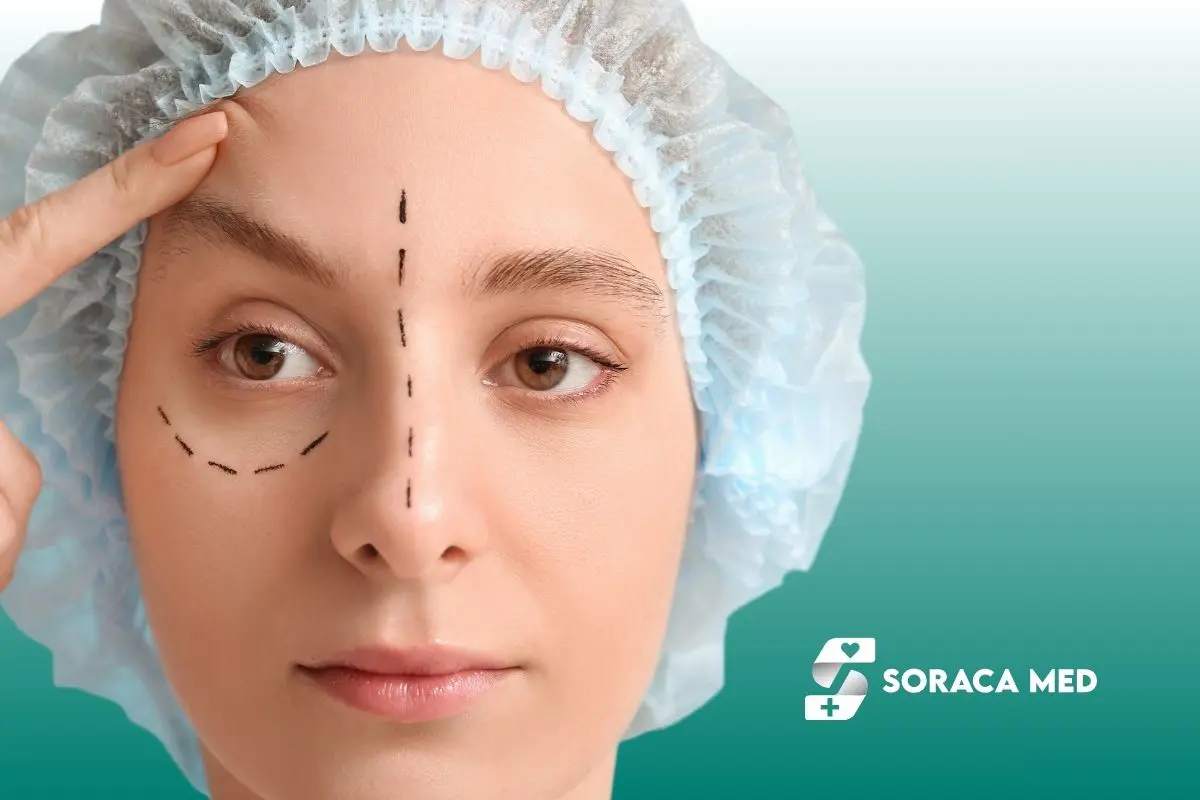
The stages below describe a typical recovery. Use them as a guide, not a rule, and follow your surgeon’s instructions.
Day 1 After Blepharoplasty
Expect swelling, tightness, watery eyes and blurred vision, often from ointment applied at the end of surgery. Rest with your head raised on two or three pillows and use cold compresses for short periods as instructed. Take prescribed painkillers; most patients describe discomfort rather than strong pain. Someone should take you home and stay with you on the first night.
Day 2–3: Swelling and Bruising Become More Visible
Swelling and bruising usually reach their peak on the second and third days, and the bruising can spread down onto the cheeks. This is normal and does not mean anything has gone wrong. Keep your head elevated, including at night, and avoid bending down, lifting and straining.
Day 4–5: Early Healing Starts
Swelling starts to go down and the eyes may feel dry, gritty or itchy as they heal. Lubricating eye drops help. Limit screen time and reading to short sessions, because the eyes tire easily. Do not rub your eyes or pull at the stitches.
Day 6–7: Stitches and First Check-Up
Non-dissolvable stitches are usually removed between day five and day seven at your first check-up. Many patients feel more comfortable once the stitches are out. Bruising begins to turn yellow, and with sunglasses many people are happy to go outside.
Week 2: Returning to Daily Life
Most bruising has faded by the end of the second week. Many patients return to desk work, and eye make-up and contact lenses can often be used again around two weeks after surgery once your surgeon agrees. Continue to avoid heavy lifting and strenuous exercise.
Week 3–4: More Natural Eye Appearance
The eyes look increasingly natural and the remaining swelling is subtle, often noticeable only to you. Exercise can usually be reintroduced gradually, starting with light cardio. Protect the scars from strong sun.
Month 2–3: Scar Healing and Result Improvement
The last swelling resolves and the eyelid contour settles. Scars may still look slightly pink or feel firm, but they soften and fade steadily.
Month 6 and Beyond: Final Blepharoplasty Results
By around six months the scars are usually pale and well hidden, and the final result is visible. Results of upper blepharoplasty commonly last many years; lower blepharoplasty results are often long-lasting because removed or repositioned fat does not usually return.
Upper Blepharoplasty Recovery vs Lower Blepharoplasty Recovery
Upper and lower eyelid surgery heal differently because the tissues and incisions are different. Having both at once is common and saves a second recovery.
Upper Blepharoplasty Recovery Time
The incision sits in the natural crease of the upper lid, so the scar is well hidden once healed. Swelling is usually moderate, stitches come out around day five to seven, and many patients feel presentable within 10 to 14 days. See our upper eyelid surgery prices for details.
Lower Blepharoplasty Recovery Timeline
Lower blepharoplasty can be performed through an incision just below the lashes or from inside the lower lid (transconjunctival approach), which leaves no visible scar. Swelling and bruising are often more noticeable and can take a little longer to settle than after upper lid surgery. The lower lid may feel tight for a few weeks. More information is on our lower eyelid surgery costs page.
Common Symptoms During Eyelid Surgery Recovery
These are expected in the first one to two weeks and improve steadily:
- Swelling and bruising around the eyes and upper cheeks
- Tightness of the eyelids and mild aching
- Dry, gritty or watery eyes
- Temporary blurred vision and sensitivity to light
- Difficulty closing the eyes completely for the first days
- Itching as the incisions heal
Swelling After Blepharoplasty: When Does It Go Down?
Swelling is greatest during the first 48 to 72 hours, starts to go down from days four to five and is much better by the end of the second week. Mild swelling, often more noticeable in the morning, can come and go for two to three months.
To reduce swelling: keep your head raised, including while sleeping, use cold compresses in the first two days as your surgeon advises, avoid salty food and alcohol, and do not bend down or lift heavy objects.
Bruising After Eyelid Surgery: How Long Does It Last?
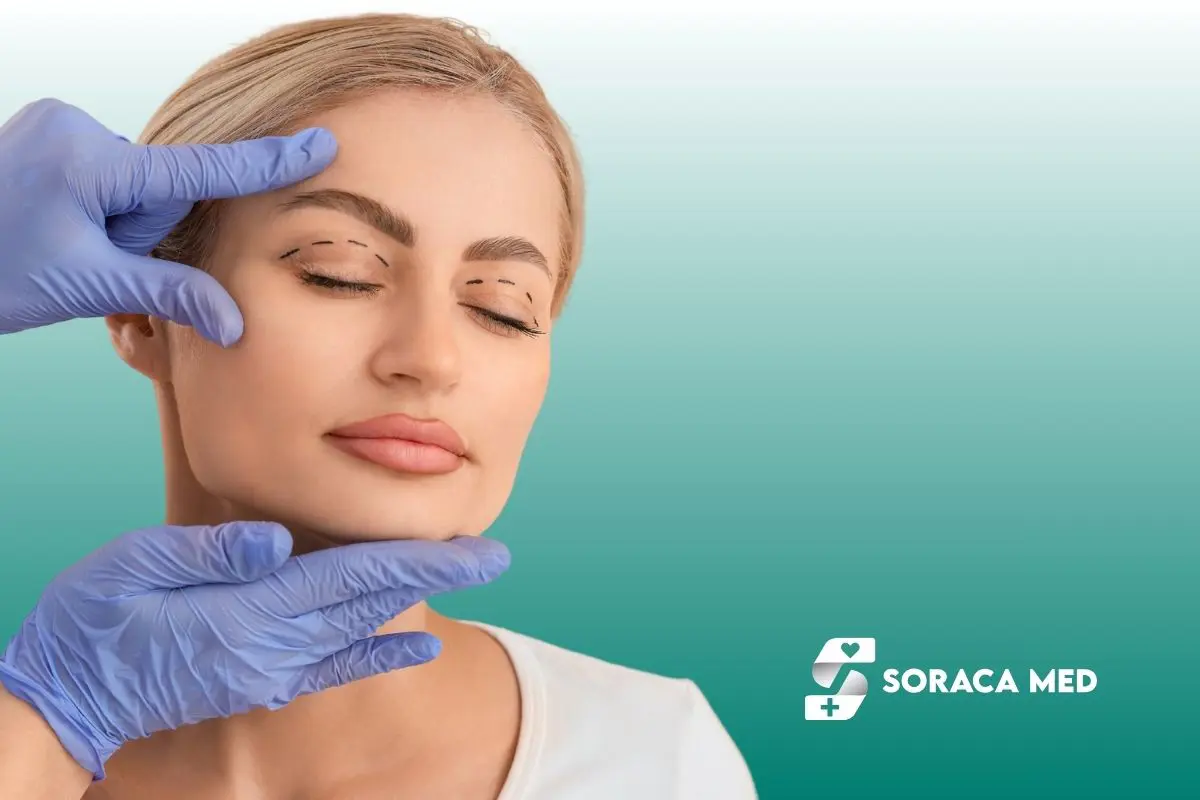
Bruising usually looks darkest on days two to three, begins to fade by the end of the first week and turns yellowish between days seven and fourteen. Most of it has gone after two weeks. Aspirin, some anti-inflammatory painkillers and supplements such as fish oil, garlic tablets and vitamin E can increase bruising and bleeding, so they are usually stopped before surgery unless your doctor advises otherwise.
Blepharoplasty Scar Healing: What to Expect
Scars are pink and slightly raised in the first weeks and then gradually flatten and fade. Upper lid scars hide in the eyelid crease; lower lid scars sit just under the lash line or are inside the eyelid. Protect the scars from sun with sunglasses and, once healed, sun cream, and avoid picking at crusts. Most scars are barely visible after six months.
When Can You Return to Work After Blepharoplasty?
Many patients return to desk-based work after 7 to 10 days, once the stitches are out and bruising has faded enough. Jobs that involve heavy lifting, bending or dusty environments may need two weeks or more. Do not drive until your vision is completely clear and you are no longer taking medication that makes you drowsy.
Tips for a Smoother Blepharoplasty Recovery
- Sleep with your head raised for the first week.
- Use cold compresses and lubricating drops as prescribed.
- Take medication exactly as instructed and keep all follow-up appointments.
- Wear sunglasses outdoors to protect from sun, wind and dust.
- Rest your eyes: short periods of screen time and reading only.
- Do not smoke, as it slows healing.
What to Avoid During Blepharoplasty Recovery
- Rubbing or touching your eyes and incisions
- Contact lenses for about two weeks, or until your surgeon allows them
- Eye make-up until the incisions have healed, usually around two weeks
- Heavy lifting, bending and strenuous exercise for two to three weeks
- Swimming pools, saunas and hot baths until healed
- Aspirin and blood-thinning supplements unless prescribed
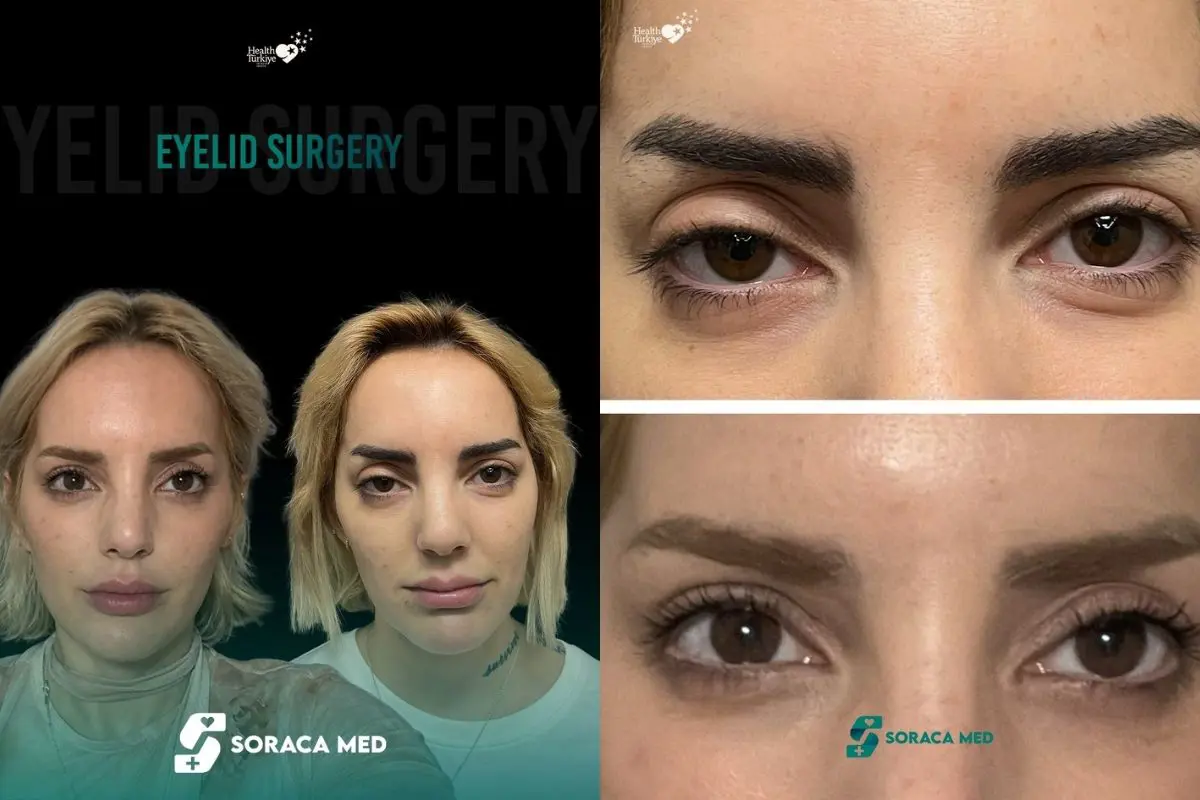
Blepharoplasty Recovery Photos: What Should Patients Know?
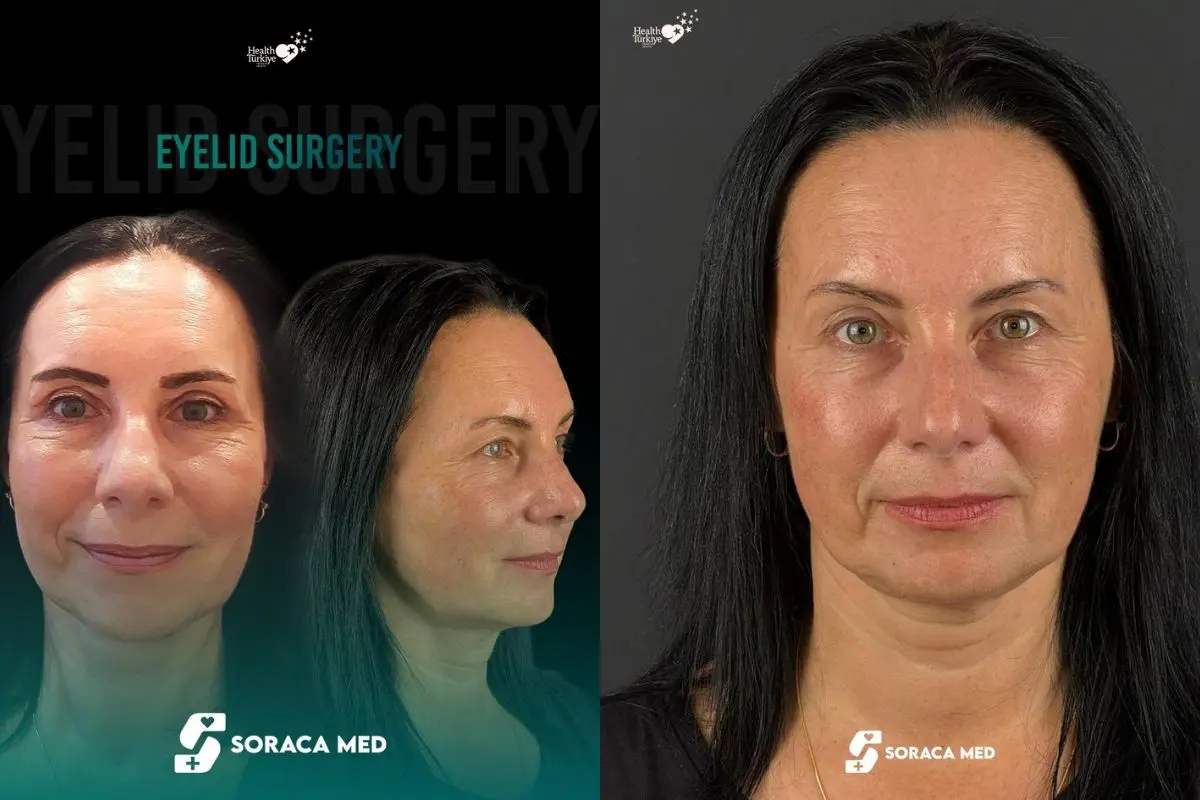
Day-by-day recovery photos are useful to see what swelling and bruising can look like, but they are not a prediction of your own healing. Lighting, camera angle and individual healing all change how photos look, and photos are often chosen to show the best outcomes. Ask your clinic for unedited day-by-day photos of its own patients who had the same procedure as you, and compare the final results at three to six months rather than the first week.
When Should You Contact Your Surgeon During Recovery?
Contact your surgeon immediately, or go to an emergency department, if you notice:
- Sudden loss of vision or a marked change in vision
- Severe pain behind the eye, especially with rapidly increasing swelling or a bulging eye on one side
- Bleeding that does not stop with gentle pressure
- Fever, increasing redness, warmth or discharge from the incisions
- Double vision that does not improve
Bleeding behind the eye after eyelid surgery is rare but needs urgent treatment, which is why severe pain with sudden swelling or vision change should never be ignored.
You can find surgery details and current prices on our blepharoplasty in Antalya cost page and our eyelid surgery cost guide.
Our Google Reviews


Our Bookimed Reviews
Frequently Asked Questions About Blepharoplasty Recovery
How long does blepharoplasty recovery take?
Most bruising fades within two weeks and many people return to desk work after 7 to 10 days. Residual swelling settles over two to three months and scars mature over about six months.
What is the day-by-day recovery timeline after blepharoplasty?
Swelling and bruising peak on days two to three, start to settle from days four to five, stitches are removed around days five to seven, and most bruising has gone by the end of week two.
When does swelling go down after eyelid surgery?
Swelling is greatest in the first 48 to 72 hours, improves clearly by the end of the second week and fully resolves over two to three months.
How long do bruising and scars last after blepharoplasty?
Bruising usually fades within two weeks. Scars are pink at first and become pale and barely visible over about six months.
When can I return to work after blepharoplasty surgery?
Many patients return to desk work after 7 to 10 days. Physically demanding jobs may need two weeks or more.
When can I wear contact lenses and eye make-up again?
Usually around two weeks after surgery, once the incisions have healed and your surgeon has checked your eyes.
Sources and Medical Information
This guide is general patient information. The medical details are based on published patient guidance, including:
- NHS: Eyelid surgery
- Leeds Teaching Hospitals NHS: Blepharoplasty
- Cambridge University Hospitals NHS: Blepharoplasty
- American Society of Plastic Surgeons: Eyelid surgery
It does not replace a consultation: your surgeon decides what is safe for you, and their personal instructions always take priority. Prices are Soraca Med starting prices and are confirmed in your written quote. Last updated: October 2026.