
Table of Contents
Blepharoplasty recovery is a key part of achieving a safe and predictable outcome after eyelid surgery. Patients considering upper or lower eyelid surgery often ask how long the healing process lasts, when swelling and bruising begin to settle, and how soon they can comfortably return to work and normal daily activities. Knowing what to expect throughout the blepharoplasty recovery period can make the process easier to manage and help patients follow appropriate post-operative care at every stage.
Healing after eyelid surgery varies from person to person. Swelling, bruising, mild tightness, and temporary sensitivity around the eyes are common during the first several days. These effects generally start to decrease during the first week, with the eyelid area gradually becoming more natural in appearance over the following weeks. The overall eyelid surgery healing time can be influenced by factors such as whether upper or lower blepharoplasty was performed, the extent of surgery, skin characteristics, age, general health, lifestyle, and adherence to the surgeon’s aftercare instructions.
This guide explains the typical blepharoplasty recovery timeline on a day-by-day and week-by-week basis. It covers what patients may experience immediately after surgery, how swelling after blepharoplasty usually changes during recovery, how long bruising following eyelid surgery may remain visible, and how blepharoplasty scars typically mature and fade over time. Understanding these stages can help patients prepare realistically for recovery and support a more comfortable and well-managed healing process.
What Is Blepharoplasty Recovery?
Blepharoplasty recovery refers to the healing process after eyelid surgery, during which the delicate tissues around the eyes gradually repair and settle. This period includes the reduction of swelling, fading of bruising, healing of the incision lines, and gradual improvement in the overall eye appearance. Since the eyelid area is thin and sensitive, some swelling, tightness, mild discomfort, and temporary changes around the eyes are expected in the early stages.
Recovery after eyelid surgery is not the same for every patient. The healing process can vary depending on age, skin quality, lifestyle habits, the surgical technique used, and whether the patient has upper blepharoplasty, lower blepharoplasty, or both. For example, upper blepharoplasty recovery may feel different from lower blepharoplasty recovery because each area involves different tissue structures and healing patterns.
A smooth blepharoplasty recovery also depends on how carefully the patient follows post-operative care instructions. Keeping the head elevated, avoiding strenuous activity, protecting the eyes from sun exposure, and attending follow-up appointments can all support better healing. While most patients notice visible improvement within the first couple of weeks, the final result continues to refine gradually as swelling decreases and the incision lines mature.
How Long Is Blepharoplasty Recovery Time?
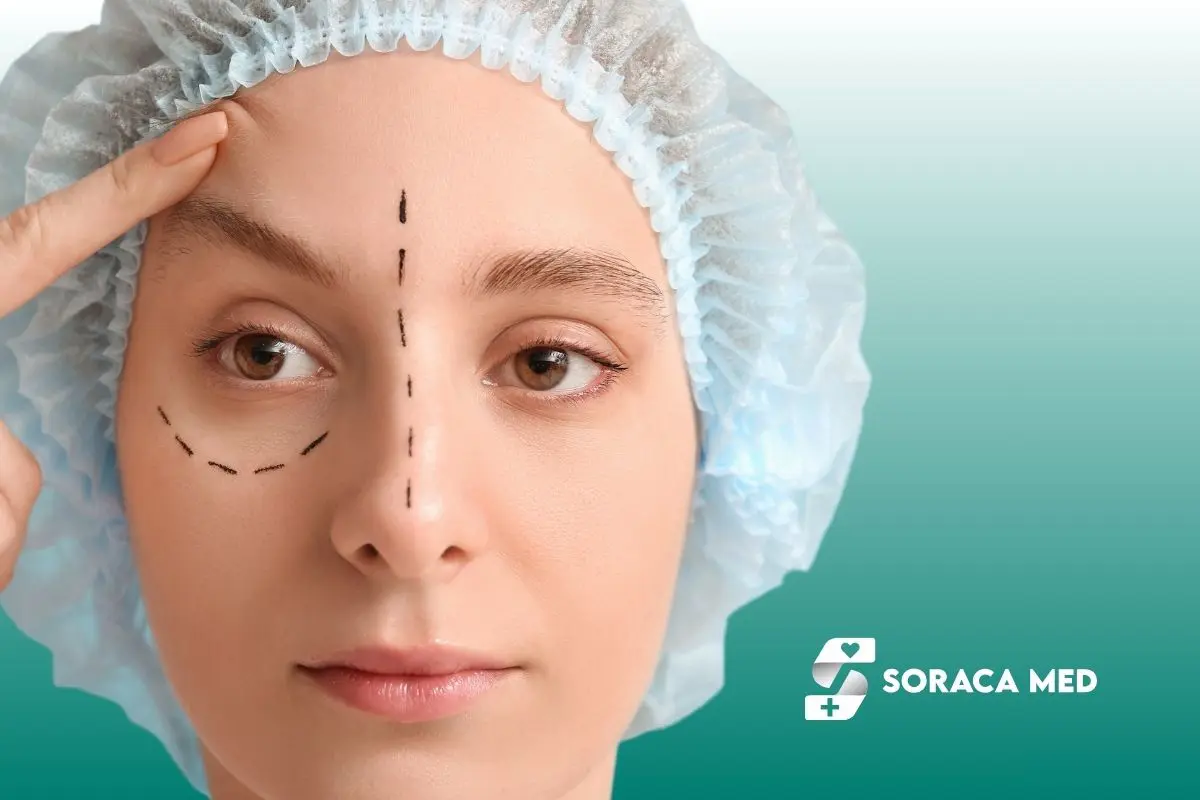
Blepharoplasty recovery time usually begins with the most noticeable swelling and bruising during the first few days after surgery. For many patients, the first visible improvement appears within 1 to 2 weeks, especially as bruising fades and the eyes begin to look more rested. At this stage, many people feel comfortable returning to light daily activities or desk-based work, depending on their healing progress and their surgeon’s advice.
However, the full eyelid surgery healing time takes longer than the initial recovery period. Although the eyes may look significantly better after two weeks, mild swelling can continue to improve over several weeks. Blepharoplasty scar healing and scar maturation may take a few months, as incision lines gradually become softer, flatter, and less noticeable.
There can also be small differences between upper and lower eyelid surgery recovery. Upper blepharoplasty recovery time is often slightly shorter because the incision is usually placed in the natural eyelid crease. Lower blepharoplasty recovery timeline may involve more swelling or bruising in some patients, especially when under-eye bags, fat repositioning, or skin tightening are part of the procedure. For patients having upper and lower blepharoplasty recovery at the same time, the healing period may feel a little more intense in the first week, but it still improves gradually with proper aftercare.
Blepharoplasty Recovery Timeline Day by Day
Understanding the blepharoplasty recovery timeline helps patients know what to expect after eyelid surgery. Although healing is different for everyone, the first week usually includes swelling, bruising, mild tightness, and gradual improvement. This blepharoplasty recovery day by day guide gives a general idea of the healing process.
Day 1 After Blepharoplasty
On the first day after blepharoplasty, swelling, mild tightness, watery eyes, sensitivity, and temporary blurred vision may occur. These are usually normal early recovery symptoms. Patients are generally advised to rest, keep the head elevated, apply cold compresses as recommended, and use prescribed medications exactly as instructed by the surgeon.
Day 2–3: Swelling and Bruising Become More Visible
Swelling after blepharoplasty and bruising after eyelid surgery often become more noticeable during the second and third days. This does not usually mean something is wrong; it is a normal part of tissue healing. However, severe pain, sudden vision changes, heavy bleeding, or rapidly increasing swelling should be reported to the surgeon immediately.
Day 4–5: Early Healing Starts
By day 4 or 5, swelling and bruising may still be visible, but some patients begin to notice early improvement. The eyelids may feel dry, slightly itchy, or tight as the incisions start to heal. It is important not to rub the eyes or touch the incision lines during this stage.
Day 6–7: Stitches and First Check-Up
Around day 6 or 7, stitches may be checked or removed depending on the surgical plan. Many patients start to feel more comfortable and may slowly return to light social activities. However, eye makeup, heavy exercise, swimming, and direct sun exposure should still be avoided unless the surgeon allows them.
Week 2: Returning to Daily Life
During the second week, recovery after eyelid surgery usually becomes easier. Bruising often fades, swelling decreases, and many patients feel more confident going outside or returning to desk-based work. Eyelid surgery healing time can vary, so patients should still follow their aftercare instructions carefully.
Week 3–4: More Natural Eye Appearance
By weeks 3 to 4, the eyes usually begin to look more natural. Most of the visible swelling improves, and daily activities become more comfortable. Strenuous exercise or intense physical activity should only be resumed after medical approval.
Month 2–3: Scar Healing and Result Improvement
Between months 2 and 3, blepharoplasty scar healing continues. Incision lines usually become softer, lighter, and less noticeable over time. Many patients start to see a more refined result during this period, although healing speed can differ from person to person.
Month 6 and Beyond: Final Blepharoplasty Results
Final blepharoplasty results often become clearer within a few months, but scar maturation may continue for up to 6 months or longer in some patients. Having realistic expectations is important, as the eyelid area continues to settle gradually after surgery.
Upper Blepharoplasty Recovery vs Lower Blepharoplasty Recovery
Upper blepharoplasty recovery and lower blepharoplasty recovery can feel slightly different because the upper and lower eyelids have different tissue structures. In general, upper eyelid surgery may heal a little faster, while lower eyelid surgery can sometimes involve more noticeable swelling, bruising, or sensitivity.
Patients who have both upper and lower blepharoplasty should expect a slightly more intense recovery during the first week. However, with proper aftercare, swelling and bruising usually improve gradually, and the eye area begins to look more natural over the following weeks.
Upper Blepharoplasty Recovery Time
Upper blepharoplasty recovery time is often more predictable because the incision is usually placed within the natural eyelid crease. This helps the scar become less noticeable as healing progresses. Most patients see visible improvement within 1 to 2 weeks, although mild swelling and scar healing may continue for several months.
Lower Blepharoplasty Recovery Timeline
The lower blepharoplasty recovery timeline may vary depending on whether the procedure includes under-eye bag removal, fat repositioning, or skin tightening. Swelling and bruising can be more visible under the eyes, especially during the first week. In many patients, the lower eyelid area continues to refine gradually over the next few weeks.
Common Symptoms During Eyelid Surgery Recovery
During eyelid surgery recovery, it is normal to experience temporary symptoms as the tissues heal. These symptoms are usually mild to moderate and improve day by day with proper care.
Common symptoms may include swelling, bruising, mild pain or tightness, dry eyes, watery eyes, light sensitivity, mild itching, and temporary blurred vision. These changes are usually part of the normal healing process after blepharoplasty.
However, patients should contact their surgeon if they experience severe pain, sudden vision changes, heavy bleeding, rapidly increasing swelling, fever, or signs of infection. Early communication with the medical team helps ensure a safer and smoother recovery.
Swelling After Blepharoplasty: When Does It Go Down?
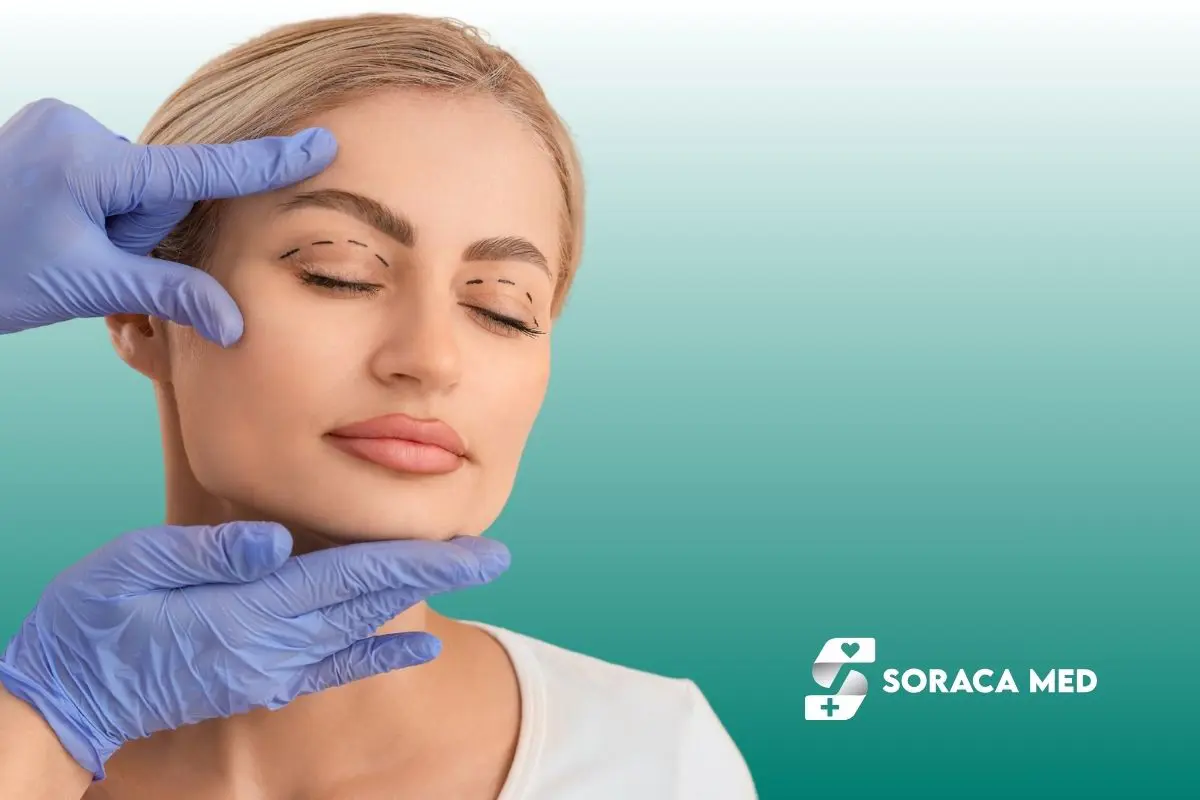
Swelling after blepharoplasty is one of the most common parts of the healing process. It is usually most noticeable during the first 48 to 72 hours after eyelid surgery. After the first week, swelling often begins to decrease gradually, and many patients see a clear improvement within 2 to 4 weeks.
To help control swelling, patients are usually advised to keep the head elevated, apply cold compresses as recommended by the surgeon, and avoid heavy physical activities during the early recovery period. Reducing salt intake and staying well hydrated may also support a smoother recovery. However, each patient heals differently, so mild swelling can continue for several weeks in some cases.
Bruising After Eyelid Surgery: How Long Does It Last?
Bruising after eyelid surgery is also common, especially during the first week of blepharoplasty recovery. The bruising may appear darker in the first few days and then gradually fade as the tissues heal. In many patients, bruising becomes much less noticeable within 10 to 14 days.
The duration of bruising can vary depending on skin type, age, surgical technique, and individual healing response. Patients should follow their surgeon’s instructions about aspirin, blood thinners, and herbal supplements, as some of these may increase the risk of bruising or bleeding. If bruising suddenly worsens or is accompanied by severe pain or vision changes, the surgeon should be contacted.
Blepharoplasty Scar Healing: What to Expect
Blepharoplasty scar healing is a gradual process. In the first few weeks, the incision lines may look pink, red, or slightly raised. This is usually a normal part of healing, and the scars typically become thinner, softer, and less noticeable over time.
Scar healing can vary depending on skin type, surgical technique, and aftercare. Patients should protect the incision area from direct sun exposure, follow wound care instructions carefully, and avoid applying eye makeup too early. With proper care, blepharoplasty scars usually continue to fade and mature over the following months.
When Can You Return to Work After Blepharoplasty?
Many patients can return to desk-based work within 7 to 10 days after blepharoplasty. By this time, swelling and bruising often improve enough for daily activities, although some discoloration may still be visible. Patients who are concerned about appearance may prefer to wait a little longer before returning to social or professional settings.
For physically demanding jobs, recovery may take more time. Heavy lifting, bending, and intense activity can increase swelling or bleeding risk during the early healing period. The safest return-to-work timing should always be decided with the surgeon, based on the patient’s recovery progress and the type of work they do.
Tips for a Smoother Blepharoplasty Recovery
A smoother blepharoplasty recovery depends on proper aftercare and following your surgeon’s instructions carefully. In the first few days, keeping the head elevated can help reduce swelling around the eyes. Cold compresses may also be recommended to control swelling and bruising during the early healing period.
Patients should take prescribed medications as directed, avoid rubbing the eyes, and protect the eye area from irritation. Heavy exercise, bending, and lifting should be avoided until the surgeon allows them. Smoking and alcohol may slow healing, so they should be avoided during recovery.
Wearing sunglasses outdoors can help protect the eyes from sunlight, wind, and dust. Patients should also wait for medical approval before using contact lenses or eye makeup. Attending follow-up appointments is important to monitor healing and make sure the recovery process is progressing safely.
What to Avoid During Blepharoplasty Recovery
During blepharoplasty recovery, some activities can increase swelling, irritation, or the risk of complications. Patients should avoid heavy lifting, intense exercise, sauna, steam rooms, swimming pools, and direct sun exposure during the early healing period.
Eye makeup and contact lenses should not be used until the surgeon confirms that it is safe. Rubbing the eyes, touching the incision lines, or applying products without approval may affect healing. Smoking and alcohol should also be avoided, as they can slow tissue repair and increase recovery time.
Following these restrictions helps protect the delicate eyelid area and supports a safer recovery after eyelid surgery.
Blepharoplasty Recovery Photos: What Should Patients Know?
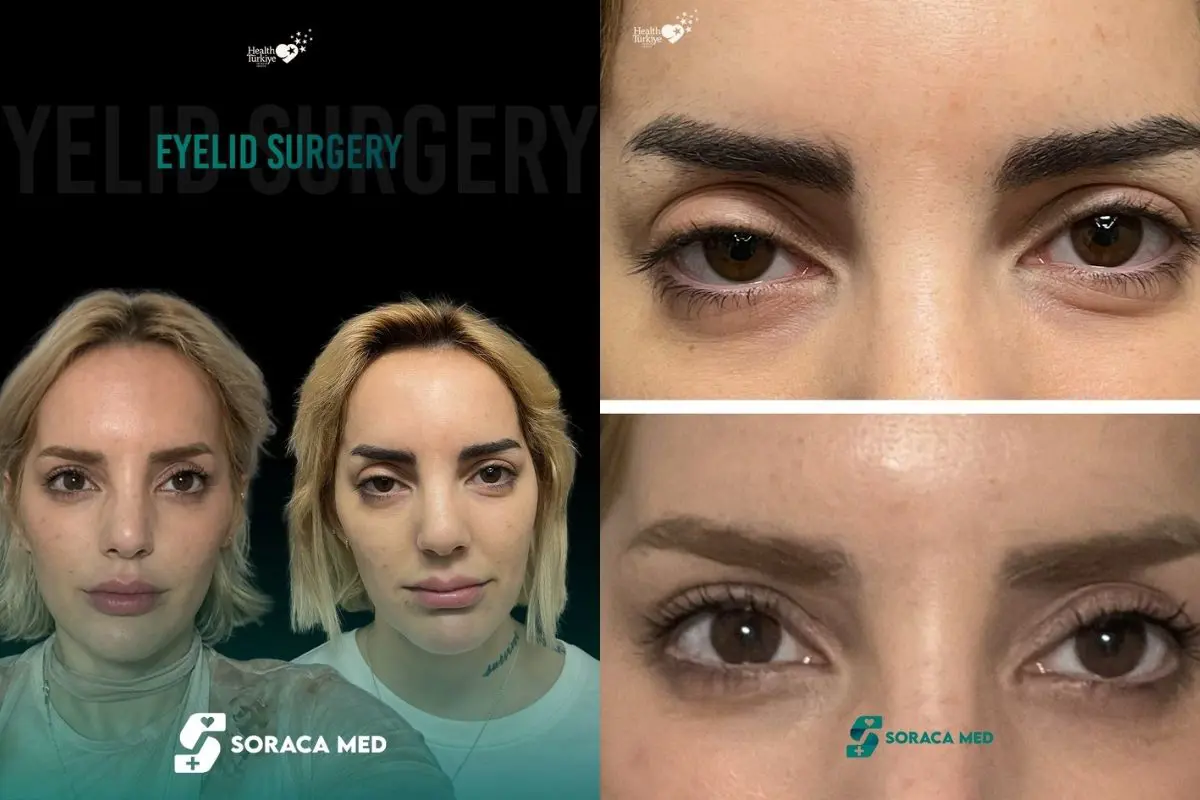
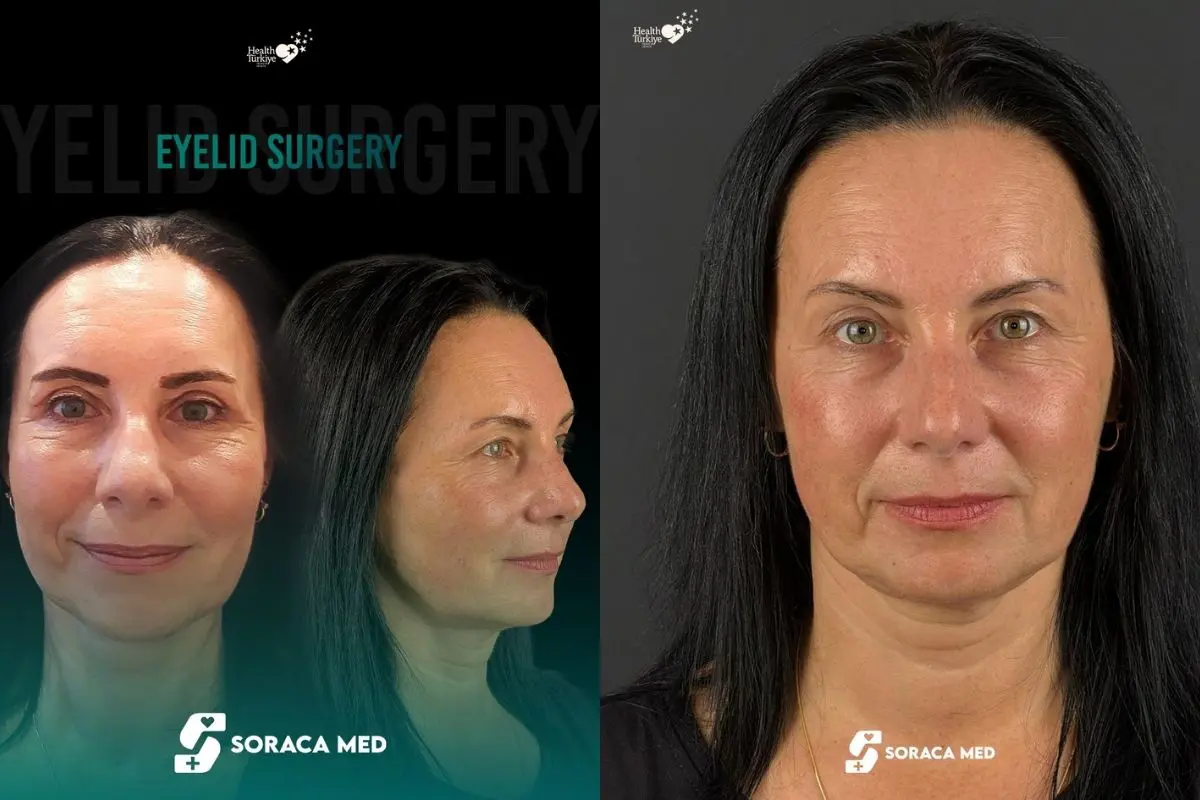
Blepharoplasty recovery photos can help patients understand what swelling, bruising, and healing may look like after eyelid surgery. They may give a general idea of the recovery process, especially during the first days and weeks after the procedure.
However, recovery photos should not be seen as an exact prediction of your own healing. Every patient heals at a different speed. Age, skin quality, surgical technique, whether upper or lower eyelid surgery was performed, and personal healing capacity can all affect the recovery timeline.
For this reason, before and after photos are useful for education, but a personal consultation is always more accurate. Your surgeon can explain what kind of swelling, bruising, and result you can realistically expect based on your own eyelid structure and treatment plan.
When Should You Contact Your Surgeon During Recovery?
Some swelling, bruising, mild tightness, and temporary discomfort are normal during blepharoplasty recovery. However, certain symptoms may require medical attention and should not be ignored.
Patients should contact their surgeon if they experience sudden vision changes, severe or increasing pain, excessive bleeding, serious swelling on one side, fever, bad-smelling discharge, opening of the incision line, increasing redness, or signs of infection.
Early communication with the surgeon helps protect the healing process and reduces the risk of complications. If something feels unusual or worrying during recovery, it is always safer to ask the medical team instead of waiting.
Our Google Reviews


Our Bookimed Reviews
Frequently Asked Questions About Blepharoplasty Recovery
How long does blepharoplasty recovery take?
Blepharoplasty recovery usually takes 1 to 2 weeks for the first visible healing stage. During this time, swelling and bruising gradually improve, and many patients feel more comfortable returning to daily life. However, the final appearance and blepharoplasty scar healing process may continue for several months.
What is the day-by-day recovery timeline after blepharoplasty?
In the first few days, swelling and bruising often become more noticeable. By the end of the first week, early healing usually begins, and stitches may be checked or removed. During the second week, many patients feel more comfortable in social life, while the eyes continue to look more natural over the following months.
When does swelling go down after eyelid surgery?
Swelling after eyelid surgery is usually most visible during the first 2 to 3 days. After the first week, it often starts to decrease gradually. In many patients, most swelling improves within 2 to 4 weeks, although mild swelling can last longer depending on the procedure and personal healing speed.
How long do bruising and scars last after blepharoplasty?
Bruising after blepharoplasty often improves significantly within 10 to 14 days. Scars take longer to mature. In the first weeks, incision lines may look pink or red, but they usually become softer, lighter, and less noticeable over the following months.
When can I return to work after blepharoplasty surgery?
Many patients can return to desk-based work within 7 to 10 days after blepharoplasty surgery. If the job requires physical effort, heavy lifting, or frequent bending, a longer recovery period may be needed. Patients who are concerned about visible swelling or bruising may also prefer to wait a little longer before returning to work.