
Table of Contents
A beard hair transplant in Antalya fills patchy or thin areas of the beard, moustache, cheeks and sideburns with your own hair, usually taken from the back of the scalp. The procedure is done under local anesthesia in one day, and you normally need two to three days in Antalya. Small areas need a few hundred grafts, while a full beard can need 2,000 or more. Transplanted hairs often shed in the first weeks, new growth begins after about three to four months, and the final beard is visible after around nine to twelve months. Every treatment plan at Soraca Med is reviewed by our plastic surgeon, Dr. Gökhan Bacak, and the price is set in a personal quote based on your graft plan.
Beard Hair Transplant in Antalya at a Glance
| Item | Typical detail |
| Treated areas | Cheeks, jawline, chin, goatee, moustache, sideburns, scars |
| Donor area | Back of the scalp; sometimes hair from under the chin |
| Grafts | A few hundred for small patches; 2,000 or more for a full beard |
| Technique | FUE or DHI, often combined |
| Anesthesia | Local anesthesia |
| Procedure time | Usually one day |
| Stay in Antalya | Two to three days |
| Back to work | After about one week |
| First shave | Usually after about ten days, as advised |
| Final result | Around nine to twelve months |
| Price | Personal quote based on the area and graft number |
What Is a Beard Hair Transplant?
A beard hair transplant moves individual hair follicles to the face. The follicles are taken one by one, usually from the back of the head, where hair is closest to beard hair in thickness and resistant to loss. They are then implanted into the beard area at the exact angle and direction of natural facial hair.
According to the International Society of Hair Restoration Surgery (ISHRS), the number of grafts can vary from a few hundred to more than 2,000, and once the grafts have taken, the transplanted beard hairs are permanent. The ISHRS also stresses that matching matters: if your scalp hair is very fine and your beard hair is coarse and curly, the result will not look right, so donor selection is part of planning.
Who Is a Good Candidate for a Beard Hair Transplant?
A beard hair transplant is usually a good option if you:
- Have patchy areas on the cheeks, chin or between moustache and beard
- Have a thin or low-density beard that does not fill in with time
- Have scars in the beard area from acne, injury or surgery
- Want a sharper, more defined cheek line or neck line
- Have a healthy donor area at the back of the scalp
It is worth waiting if you are still in your early twenties, because the beard can continue to fill in naturally into your mid-twenties. The ISHRS also notes that minoxidil can increase beard growth for some men, although results are unpredictable and must be maintained. A transplant gives a permanent result in the treated areas.
Designing Your Beard: The Most Important Step
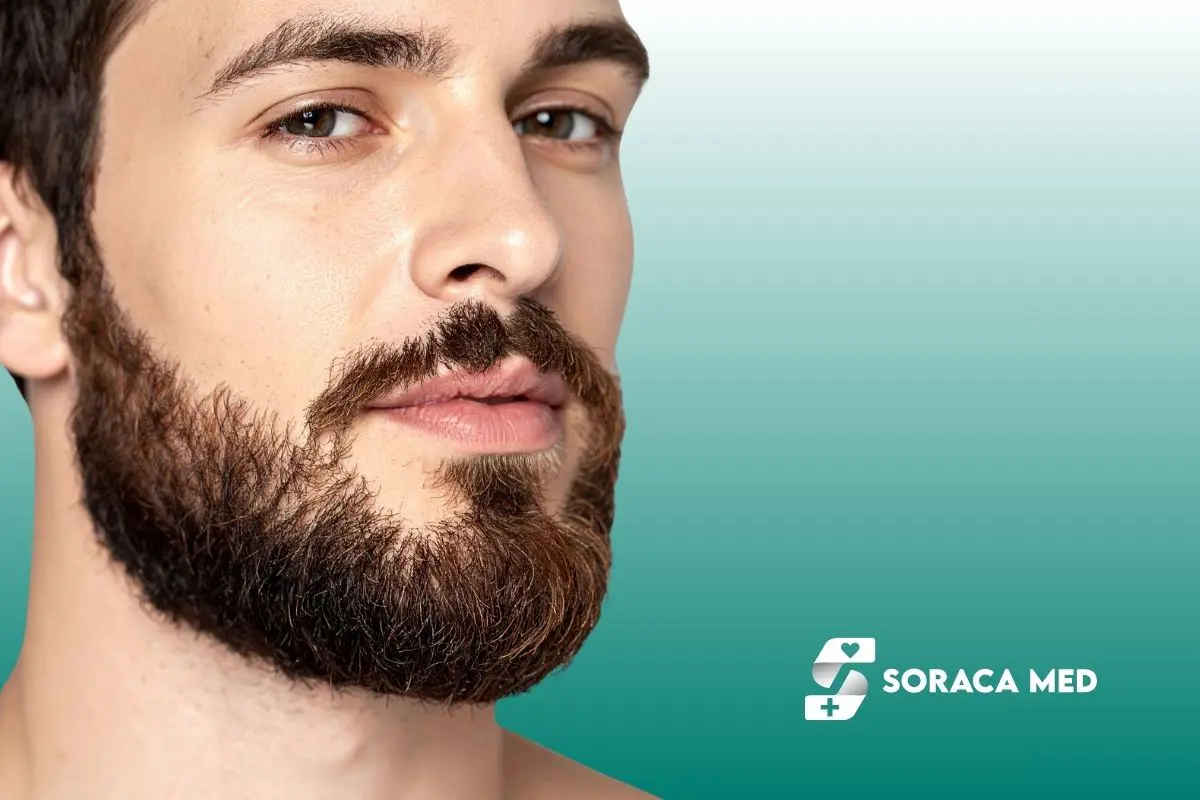
A natural beard is not just dense; it has the right shape for your face. During your consultation the doctor plans:
- Cheek line: straight, slightly curved or natural and soft
- Neck line: where the beard ends under the jaw
- Moustache and goatee: how they connect to the rest of the beard
- Sideburns: how the beard joins the scalp hair
- Density: higher density at the chin and moustache, softer at the cheek edges
Beard hair changes direction many times across the face. Grafts on the cheeks point downward and slightly backward, while moustache hairs point down and outward. Placing every graft at the right angle is what makes a transplanted beard look natural.
FUE vs DHI Beard Transplant
| FUE | DHI | |
| How grafts are placed | Small channels are opened, then grafts are placed | Grafts are implanted directly with a Choi implanter pen |
| Precision | Very good with experienced hands | Very precise control of angle and depth |
| Best for | Larger areas such as cheeks and jawline | Moustache, goatee and detailed lines |
| Recovery | Similar | Similar |
Many surgeons combine both methods in one session. Read more about DHI hair transplant and our beard transplant treatment.
How Many Grafts Do You Need?
| Area | Typical graft range |
| Moustache | 300 to 800 |
| Goatee | 500 to 1,000 |
| Cheek patches | 300 to 1,000 per side |
| Sideburns | 200 to 400 per side |
| Full beard | 2,000 or more |
These ranges are a guide. Your doctor confirms the number from your photos and the examination, taking into account the density you want and how many grafts your donor area can give if you may also need a scalp hair transplant in the future.
The Beard Transplant Procedure Step by Step
- Photo assessment: you send photos of your face from the front and both sides, and of the back of your head.
- Consultation and design: the beard lines are drawn on your face and agreed with you.
- Local anesthesia: the donor area and face are numbed.
- Graft extraction: follicles are taken one by one with FUE.
- Implantation: each graft is placed at the right angle for its area, with FUE channels or DHI pens.
- Aftercare: you receive your washing routine, care products and a check-up the next day.
Beard Transplant Recovery Time
| Time after surgery | What to expect |
| Days 1 to 3 | Redness, small crusts and mild swelling of the face; sleep on your back |
| Days 4 to 10 | Crusts fall away with gentle washing; most patients return to work after about a week |
| Around day 10 | Shaving is often allowed again, as your surgeon advises |
| Weeks 2 to 6 | Transplanted hairs often shed; the follicles remain |
| Months 3 to 4 | New hairs start to grow |
| Months 6 to 9 | Clear improvement in density |
| Months 9 to 12 | Final result for most patients |
For the first days, do not touch or rub the face, avoid saunas, swimming, heavy exercise and direct sun, and do not smoke. Sleep on your back so the grafts are not pressed against the pillow.
Beard Hair Transplant Before and After Results
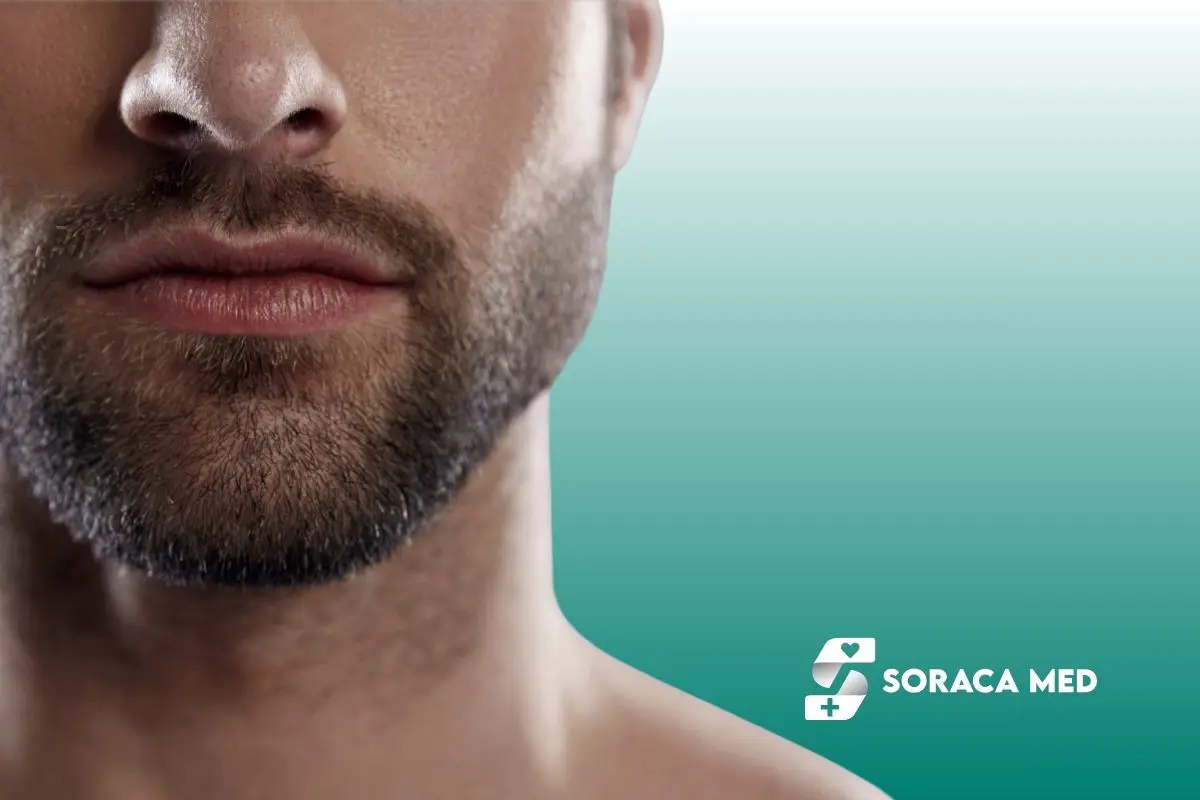
In the first weeks the beard area looks freshly treated, then many transplanted hairs fall out. Patients are often worried at this stage, but it is a normal part of the hair cycle. From about three months, new beard hairs grow and thicken over the following months. Once grown, transplanted beard hairs can be trimmed, shaved and styled like the rest of your beard.
Beard Transplant vs Other Options
| Option | How it works | Result | Best for |
| Beard hair transplant | Your own follicles are moved to the face | Permanent, real hair you can grow and trim | Patchy beards, scars, clear gaps |
| Minoxidil | A topical medicine that can stimulate facial hair growth | Unpredictable; usually must be continued | Mild thinness, men who want to try a non-surgical option first |
| Beard micropigmentation | Small tattoo dots that imitate stubble | Looks like short stubble only; fades over years | Men who always keep a very short beard |
| Waiting | Many beards keep filling in until the mid-twenties | Natural | Younger men with improving growth |
A transplant is the only option that creates new, real hairs in an empty area. For men who keep a medium or long beard, it usually gives the most natural result.
Beard Transplant for Scars
Scars from acne, injury, burns or previous surgery, including cleft lip repair, often leave hairless lines in the beard. Hair can be transplanted into scar tissue, but scar tissue has a weaker blood supply than normal skin. Graft survival can therefore be lower, and a second session is sometimes needed for good density. The doctor examines the scar first to decide whether it is ready for grafting.
Caring for Your New Beard Long Term
- Wait until your doctor allows before using trimmers, razors or beard oils on the treated area
- Once the hairs have grown, groom them like the rest of your beard
- Protect the face from strong sun in the first months, as the skin may stay slightly pink
- Expect the transplanted hairs to grow at a similar speed to scalp hair, so they may need more frequent trimming
- Send progress photos to the clinic at the agreed times so your growth can be followed
Risks and How They Are Reduced
The ISHRS lists poor growth, hairs growing at an unnatural angle, an unnatural beard line and poorly matched hair colour or thickness as the main problems after beard transplants. Infection, ingrown hairs, small cysts and over-harvesting of the donor area are also possible. These risks are lowest when the doctor plans a realistic graft number, chooses well-matched donor hair and places each graft at the correct angle.
What Affects the Cost of a Beard Hair Transplant?
- Area and graft number: a moustache costs less than a full beard.
- Technique: DHI for detailed areas takes longer.
- Combined procedures: adding a scalp or eyebrow transplant changes the plan.
- Package: hotel nights, transfers and aftercare.
At Soraca Med you receive a personal written quote after a free photo assessment. Many patients combine a beard transplant with a scalp hair transplant or an eyebrow transplant. For scalp prices, see our hair transplant cost in Antalya guide.
Your Trip to Antalya
| Day | What happens |
| Day 1 | Arrival at Antalya Airport and transfer to your hotel |
| Day 2 | Consultation, beard design and the procedure |
| Day 3 | Check-up and first wash; flight home or an extra rest day |
Why Choose Soraca Med for a Beard Hair Transplant in Antalya?
- Beard design planned around your face shape
- Donor hair matched to your beard hair
- FUE and DHI available, combined when it helps the result
- All-inclusive packages with hotel and VIP transfers
- Follow-up through photos after you return home
Our Google Reviews


Our Bookimed Reviews
Frequently Asked Questions About Beard Hair Transplant
How many grafts do I need for a beard transplant?
Small patches need a few hundred grafts, a moustache or goatee usually 300 to 1,000, and a full beard 2,000 or more. The doctor confirms the number after examining you.
Where are the grafts taken from?
Usually from the back of the scalp, where hair is strong and resistant to loss. Sometimes hair from under the chin is used.
Is a beard transplant painful?
It is done under local anesthesia, so you should not feel pain during the procedure. Afterwards most patients feel mild tenderness for a few days.
When can I shave after a beard transplant?
Usually after about ten days, once the crusts have gone, but always follow your surgeon’s timing.
Will the transplanted beard hairs fall out?
Many shed in the first two to six weeks. This is normal; the roots remain and new hair grows from about three to four months.
Is a beard hair transplant permanent?
Yes. Once the grafts have taken and grown, the transplanted beard hairs are normally permanent.
Can a beard transplant cover scars?
Often yes. Hair can be transplanted into scar tissue, although scars may need more than one session for good density.
How long do I need to stay in Antalya?
Usually two to three days: consultation and procedure, then a check-up and first wash the next day.
How much does a beard hair transplant cost in Antalya?
The price depends on the area and the number of grafts. At Soraca Med you receive a personal written quote after a free photo assessment.
Sources and Medical Information
This guide is general patient information. The medical details are based on published patient guidance, including:
- ISHRS: Everything you need to know about a beard transplant
- ISHRS: A guide to hair transplant surgery
- NHS: Hair transplant
It does not replace a consultation: your surgeon decides what is safe for you, and their personal instructions always take priority. Last updated: October 2026.