




 Chirurgia oculare

Trattamenti
Chirurgia oculare
Chirurgia oculare
 Chirurgia oculare
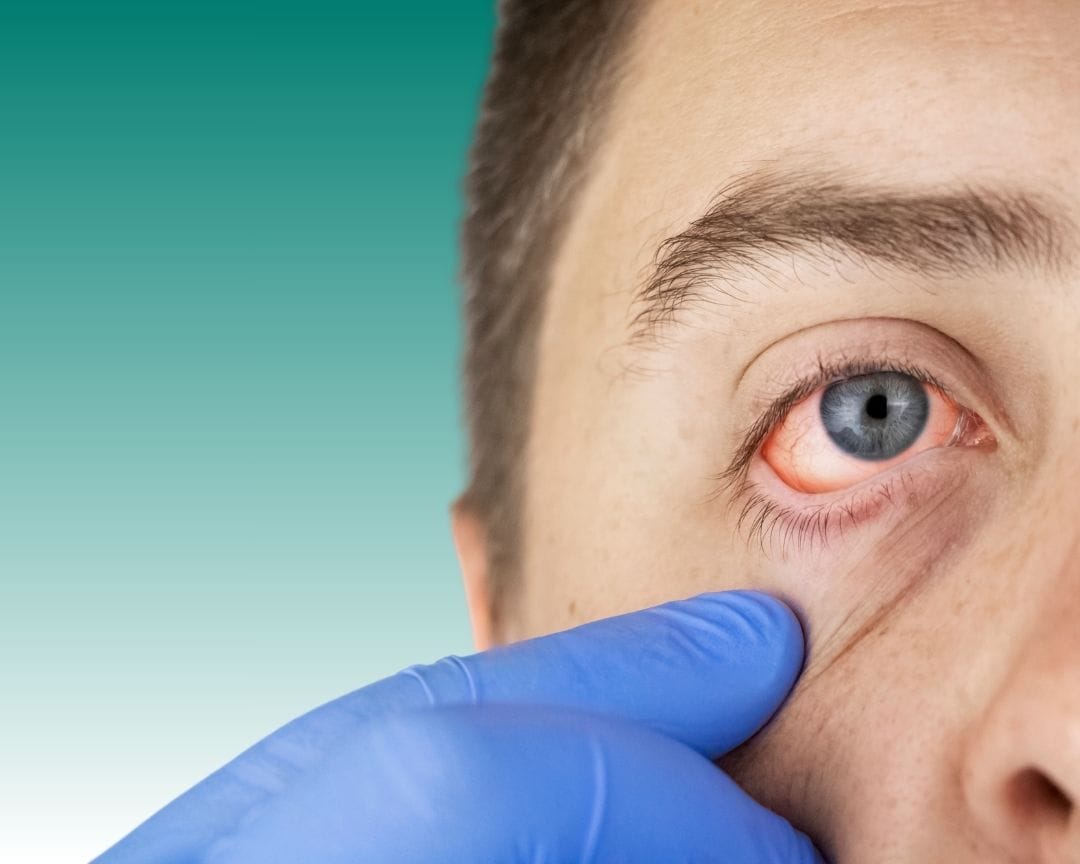
Tumore dell'occhio
Vedi trattamento Chirurgia oculare
Lente di contatto
Vedi trattamento Chirurgia oculare
Interventi di cataratta
Vedi trattamento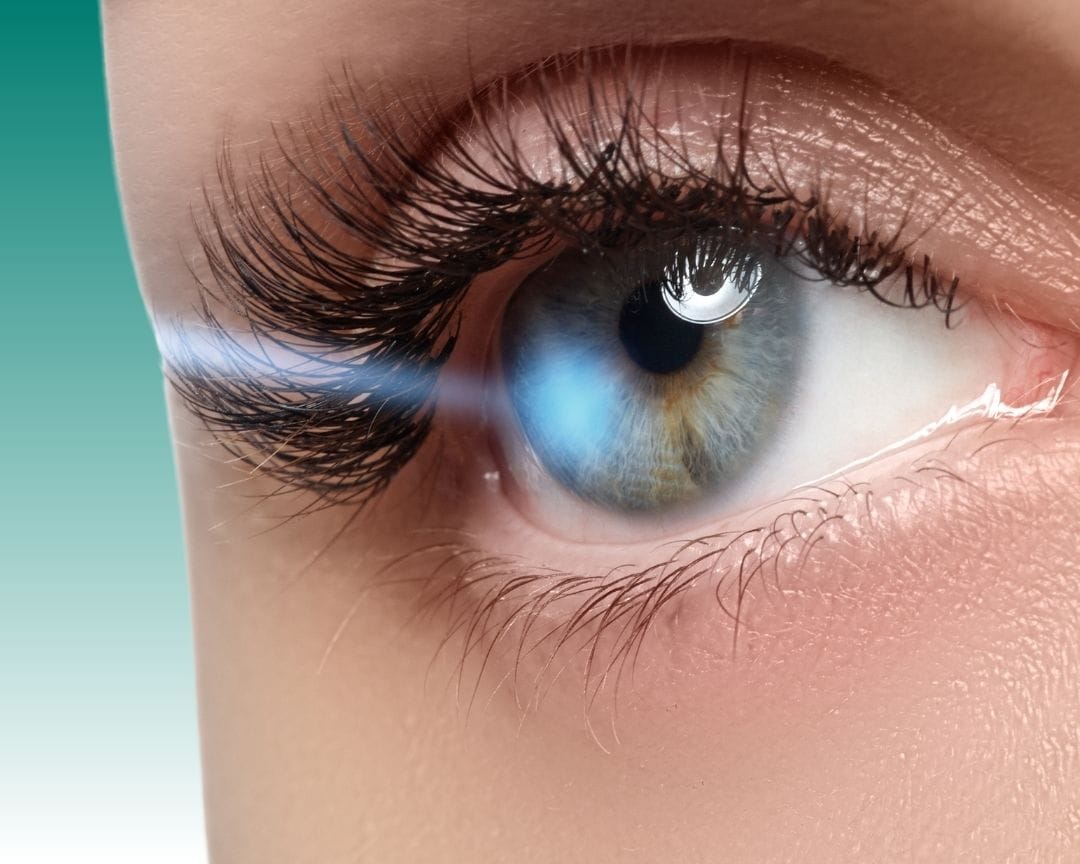 Chirurgia oculare
Obiettivo intelligente Turchia
Vedi trattamento Chirurgia oculare
 Lasik
Vedi trattamento Chirurgia oculare
Chirurgia PRK
Vedi trattamento Chirurgia oculare
Relex Smile
Vedi trattamento Chirurgia oculare
Chirurgia dello strabismo
Vedi trattamentoEye surgery, also known as ophthalmic surgery or ocular surgery, involves the repair, removal, or manipulation of tissues and organs in and around the eye to treat various medical conditions. Performed by specialists known as ophthalmologists, these procedures aim to enhance vision, treat diseases, and improve the overall health of the eyes.
Conditions Treated with Eye Surgery
Eye surgery addresses a variety of medical conditions, including:
- Cataracts: Clouding of the eye’s lens leading to blurry vision.
- Refractive Errors: Conditions such as nearsightedness, farsightedness, and astigmatism.
- Glaucoma: Increased intraocular pressure damaging the optic nerve.
- Retinal Detachment: A condition where the retina separates from its underlying tissue.
- Ptosis: Drooping of the upper eyelid.
- Eye Cancer: Tumors affecting the eye or its surrounding structures.
Types of Eye Surgery
- Vision Correction Surgeries:
- LASIK (Laser-Assisted In Situ Keratomileusis): Reshapes the cornea to correct refractive errors.
- PRK (Photorefractive Keratectomy): An alternative for patients with thin corneas.
- Cataract Surgery:
- Replaces the clouded lens with an artificial intraocular lens (IOL).
- Corneal Transplants:
- Also known as keratoplasty, this involves replacing the cornea with donor tissue.
- Glaucoma Surgeries:
- Trabeculectomy: Creates a new drainage channel for intraocular fluid.
- Tube-Shunt Surgery: Implants a device to facilitate fluid drainage.
- Strabismus Surgery:
- Corrects misalignment of the eyes by adjusting the muscles.
- Vitrectomy:
- Removes the vitreous gel to address retinal issues or remove scar tissue.
- Enucleation:
- Removal of the eye in cases of severe trauma or cancer.
- Cosmetic and Reconstructive Surgeries:
- Blepharoplasty (Eyelid Surgery): Enhances the appearance of the eyelids.
Procedure Overview
Before Surgery:
- Preparation:
- Avoid eating or drinking as advised (typically after midnight the night before).
- Discontinue certain medications, as directed by your doctor.
- Arrange transportation and support for after the surgery.
During Surgery:
- Anesthesia:
- Local anesthesia for most procedures (you remain awake but pain-free).
- General anesthesia for complex procedures or for anxious patients.
- Techniques:
- Use of lasers, precision instruments, and advanced imaging tools.
- Surgeons might use tools like excimer lasers or femtosecond lasers for accuracy.
After Surgery:
- Post-operative care includes prescribed medications, protecting the eye, and attending follow-up appointments.
- Recovery times vary depending on the procedure.
Benefits of Eye Surgery
- Enhanced Vision: Corrects refractive errors and addresses conditions like cataracts.
- Improved Quality of Life: Restores independence and daily functionality.
- Cosmetic Improvements: Procedures like blepharoplasty rejuvenate appearance.
- Disease Management: Prevents progression of serious conditions like glaucoma.
Risks and Complications
While eye surgery is generally safe, potential risks include:
- Dry Eyes: Common after LASIK and similar procedures.
- Infections or Bleeding: Rare but possible with any surgical intervention.
- Blurry Vision or Glare: Temporary in most cases.
- Reduced Vision: In rare instances, there may be complications affecting vision.
Recovery Timeline
- Cataract Surgery: Recovery in 4–8 weeks; most activities can resume sooner.
- LASIK/PRK: Vision stabilizes within 1–4 weeks.
- Vitrectomy: Recovery takes 1–2 weeks.
- Glaucoma Surgery: Healing period ranges from 2–6 weeks.
- Corneal Transplants: Full vision restoration may take 3–12 months.
Frequently Asked Questions
Can laser surgery correct astigmatism?
Yes, modern lasers are highly effective in treating astigmatism. Many patients achieve clear vision without glasses or contacts.
Is laser eye surgery safe?
Yes, laser surgeries are extremely safe with a very low risk of complications.
Does eye surgery hurt?
No, anesthesia ensures a pain-free experience during surgery. Mild discomfort post-surgery can be managed with prescribed medications.
What happens if I blink or move during surgery?
Modern lasers use advanced eye-tracking technology to adjust for movements, ensuring precision and safety.
How long do results last?
Results are generally long-lasting. For instance, LASIK results can last decades, though age-related changes may require additional treatment later.
Consulenza gratuita
Ricevi il tuo piano di trattamento personale
Raccontaci i tuoi obiettivi. Un coordinatore ti contatterà con un piano e un prezzo su misura, senza impegno.