
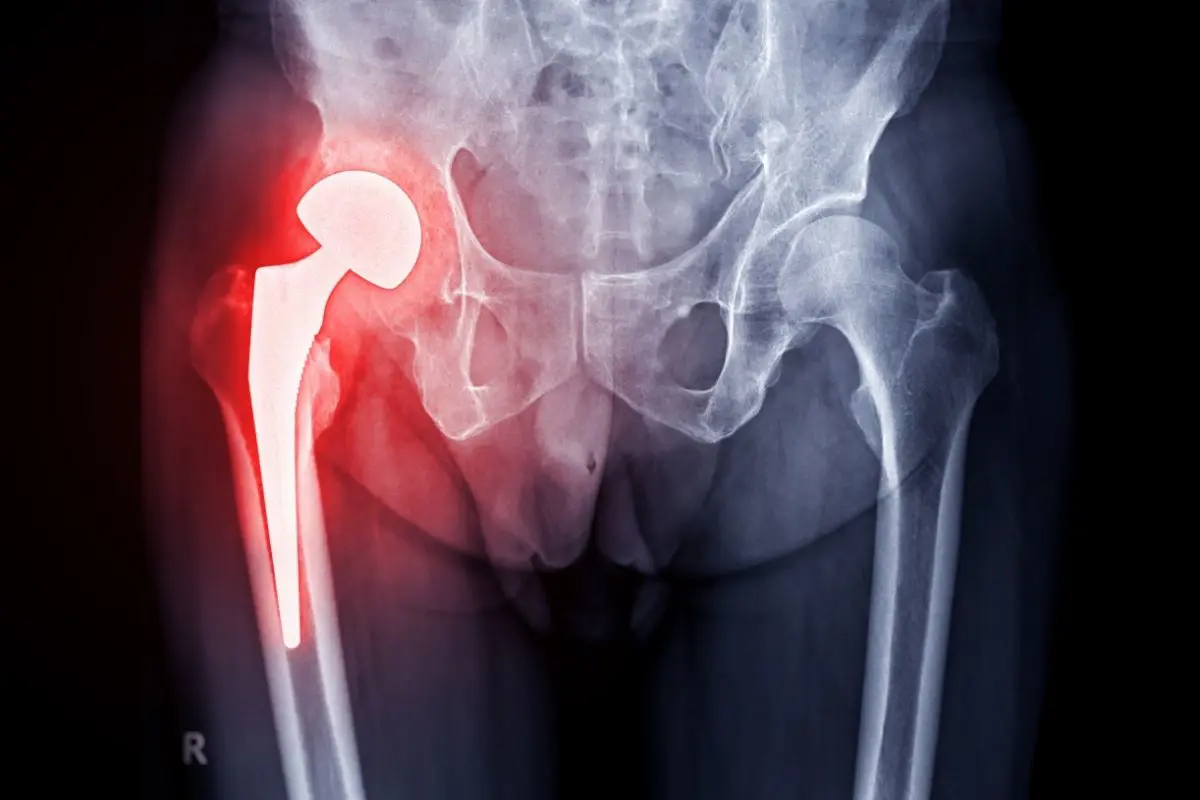
A hip replacement replaces a damaged hip joint with an artificial joint (a prosthesis) to relieve pain and restore movement. It is one of the most successful operations in medicine and is most often done for severe osteoarthritis. Many people walk with support on the day after surgery, stop using walking aids after about six weeks, and continue to improve for up to a year. Modern hip replacements often last 15 to 20 years or more. For international patients, the most important part of planning is not only the operation but safe travel and rehabilitation: you will usually need about 10 to 14 days in Turkey and a clear physiotherapy plan at home. At Soraca Med, the cost of a hip replacement is given in a personal quote after your X-rays and medical history have been reviewed.
Hip Replacement at a Glance
| Item | Typical detail |
| Main reason | Severe hip arthritis that limits walking, sleep and daily life |
| Types | Total hip replacement, partial hip replacement, hip resurfacing |
| Anesthesia | Spinal or general anesthesia |
| Operation time | Usually 1 to 2 hours |
| Hospital stay | Usually a few days |
| Time in Turkey | Usually 10 to 14 days |
| Walking aids | Usually for around 6 weeks |
| Full recovery | Up to about 12 months |
| Lifespan of implant | Often 15 to 20 years or more |
| Price | Personal quote after review of X-rays and health |
What Is Hip Replacement Surgery?
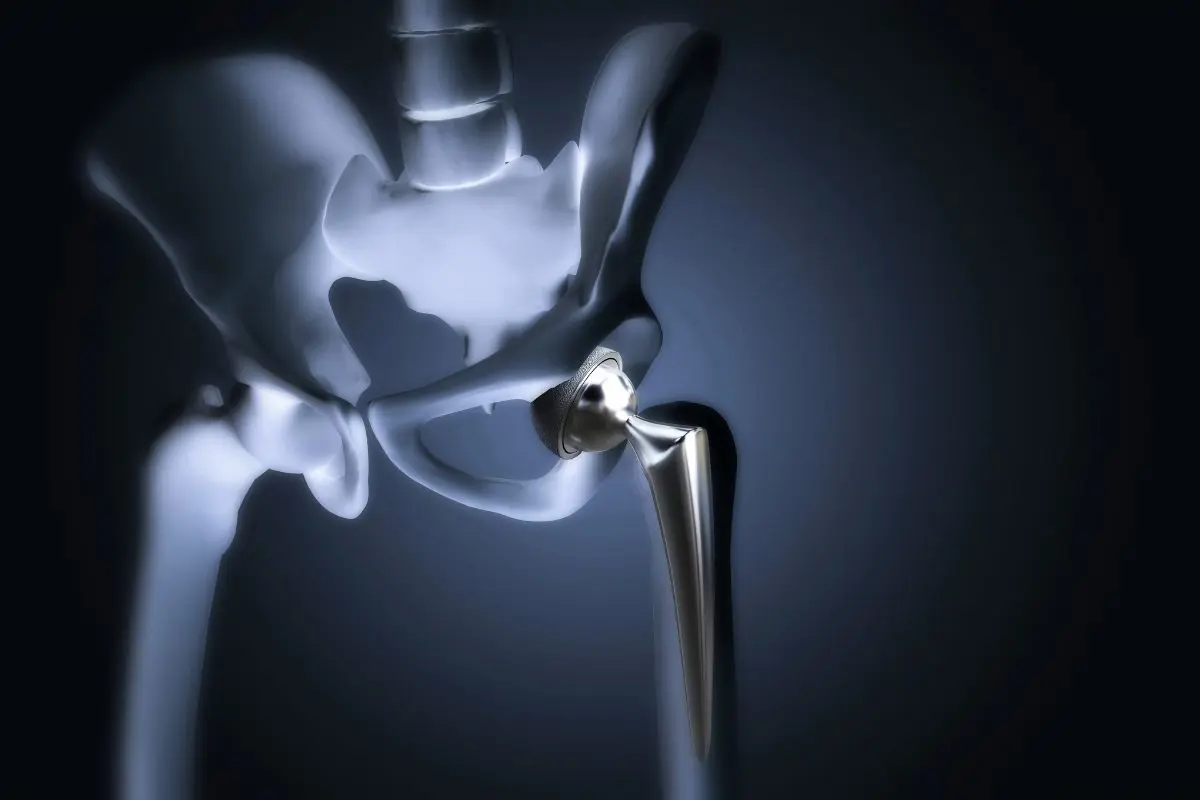
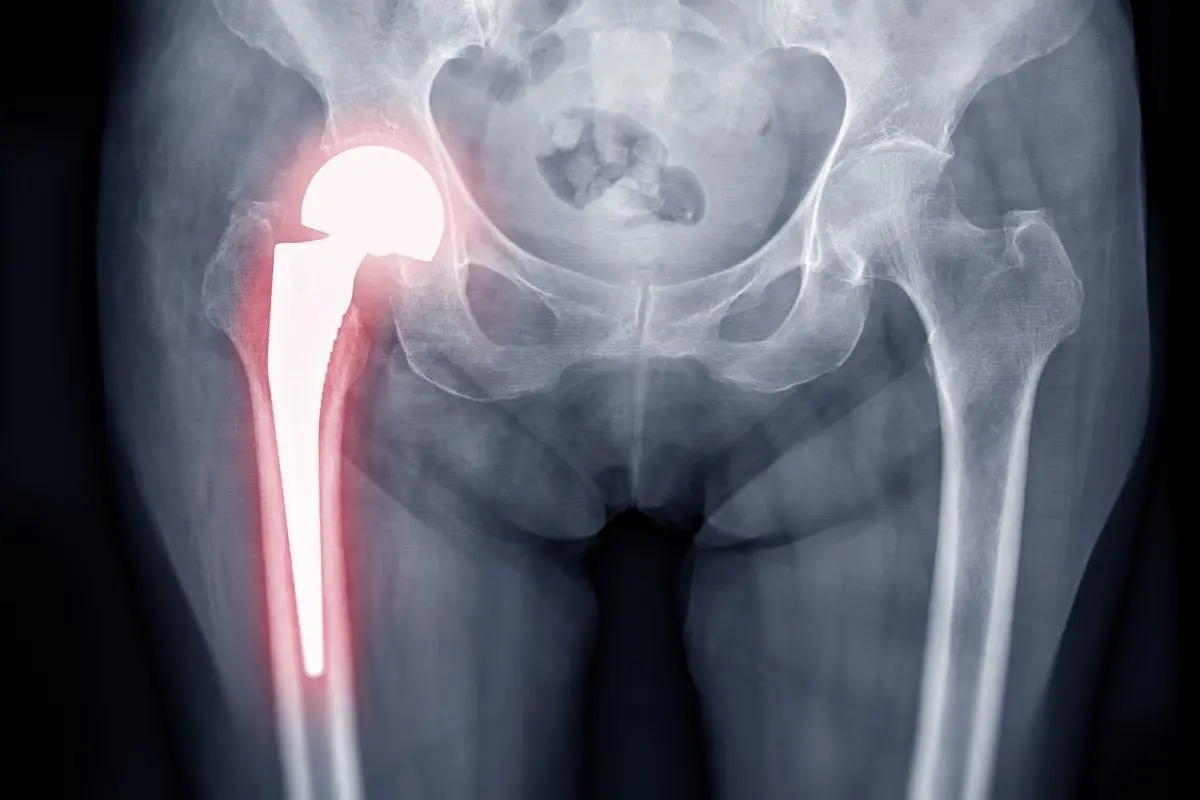
The hip is a ball-and-socket joint. In arthritis, the smooth cartilage covering the ball (femoral head) and socket (acetabulum) wears away, causing pain and stiffness. In a total hip replacement, the surgeon removes the damaged ball and lines the socket, then fits:
- A socket (cup) in the pelvis
- A liner made of plastic, ceramic or metal
- A stem in the thigh bone
- A ball (head) on top of the stem
In a partial hip replacement (hemiarthroplasty), only the ball is replaced, usually after a hip fracture. Hip resurfacing caps the ball with metal instead of replacing it, and is now used only in selected patients.
Who Needs Hip Replacement Surgery?
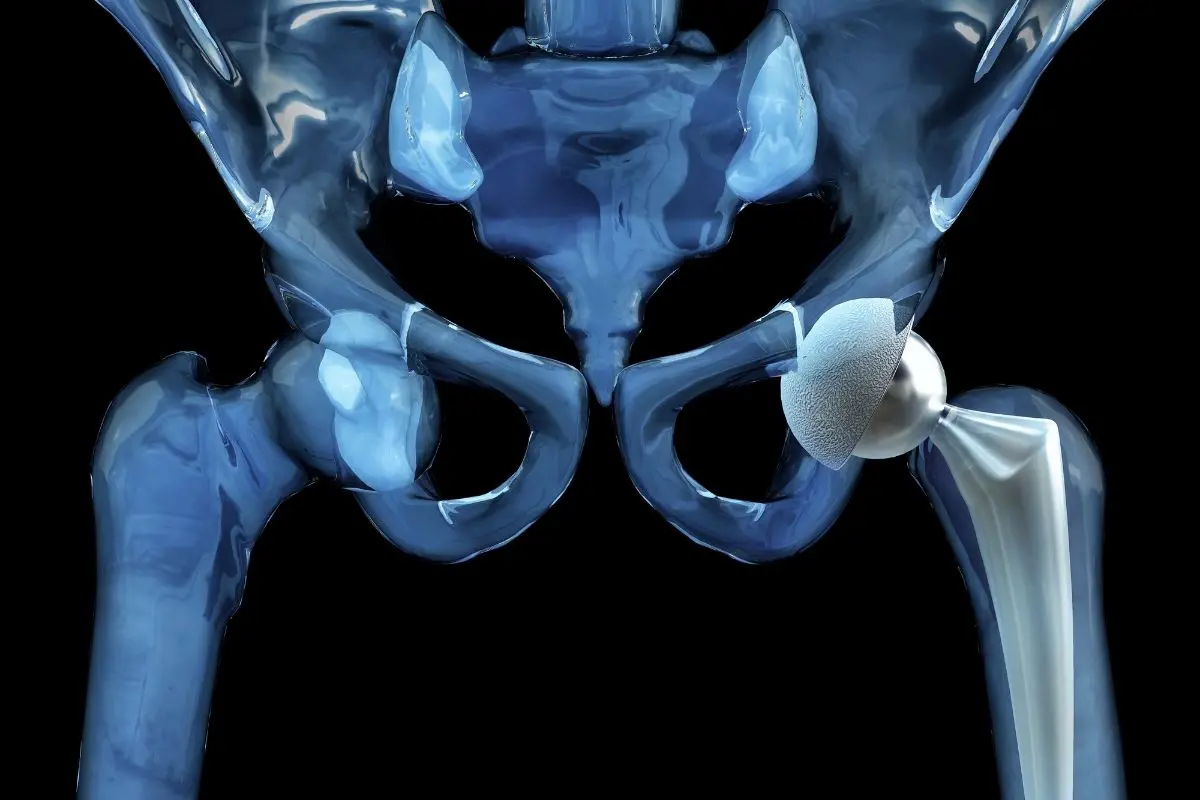
A hip replacement is usually considered when:
- Hip pain is severe and affects walking, sleep and daily activities
- Pain continues despite painkillers, physiotherapy, weight management and walking aids
- X-rays show significant joint damage
- Stiffness makes it hard to put on shoes, climb stairs or get in and out of a car
The most common cause is osteoarthritis. Other causes include rheumatoid arthritis, hip fracture, avascular necrosis (loss of blood supply to the bone) and childhood hip conditions. Age alone does not decide whether you need surgery; symptoms and function do.
Before You Decide: Alternatives to Surgery
- Pain relief and anti-inflammatory medicines, as advised by your doctor
- Physiotherapy and strengthening exercises
- Weight loss to reduce load on the joint
- Walking aids and changes at home
- Steroid injections for short-term relief in some cases
When these no longer control symptoms, surgery is usually the most effective option.
Hip Replacement in Turkey: Why Patients Choose Turkey
- Shorter waiting times than in some public health systems
- Lower prices than private care in the UK, Europe or the US
- Modern hospitals with international-standard implants
- Packages that can include hospital stay, physiotherapy, hotel and transfers
Hip replacement is a major operation, so the decision should be based on the surgical team, the hospital and the rehabilitation plan, not only on price.
How Hip Replacement Surgery Is Performed
- Assessment: X-rays, blood tests, heart and lung checks, and a review of your medicines.
- Anesthesia: spinal anesthesia (numbing from the waist down) with sedation, or general anesthesia.
- Surgery: the damaged joint is removed and the new components are fitted and tested for stability and leg length.
- Closing: the wound is closed and dressed.
- Early mobilisation: physiotherapists usually help you stand and walk with support the next day.
Anterior vs Posterior Hip Replacement
| Anterior approach | Posterior approach | |
| Incision | Front of the hip | Back and side of the hip |
| Muscles | Works between muscles | Some muscles are detached and repaired |
| Early recovery | Some studies suggest faster early recovery | Very well established and widely used |
| Dislocation precautions | Often fewer movement restrictions | Specific precautions in the first weeks |
| Long-term results | Similar | Similar |
Both approaches give excellent long-term results. The best approach is the one your surgeon performs most often and most successfully.
Hip Replacement Recovery Timeline
| Time after surgery | What to expect |
| Day 1 | Standing and walking a short distance with a frame or crutches |
| Days 2 to 4 | Walking further; stairs practice; discharge from hospital |
| Weeks 1 to 2 | Daily exercises; walking with crutches; wound check and stitch or clip removal |
| Weeks 4 to 6 | Many people walk without aids; driving may be possible when you can control the car safely |
| Weeks 6 to 12 | Return to most daily activities and desk work; swimming when the wound has healed |
| Up to 12 months | Strength and stamina continue to improve |
Follow your physiotherapy programme carefully. It is the most important factor in a good recovery.
Travelling Home After a Hip Replacement
Surgery on the hip and long flights both increase the risk of blood clots (deep vein thrombosis). For international patients:
- Stay in Turkey long enough for the wound check and early physiotherapy, usually 10 to 14 days
- Take blood-thinning medication exactly as prescribed
- Wear compression stockings on the flight
- Book an aisle seat, walk when possible and move your ankles regularly
- Arrange airport assistance and help with luggage
- Have a physiotherapy plan and a local doctor ready at home
Risks of Hip Replacement
- Blood clots in the legs or lungs
- Infection of the wound or, rarely, of the joint
- Dislocation of the new hip, most often in the first months
- A difference in leg length
- Nerve or blood vessel injury, which is rare
- Loosening or wear of the implant over time, sometimes needing revision surgery
- General risks of anesthesia
Most people have no serious complications, and most report much less pain and better mobility after recovery.
How Long Does a Hip Replacement Last?
Modern hip replacements often last 15 to 20 years or more. National joint registries, such as the National Joint Registry in the UK, track implants over many years and show that most hips are still working well long after surgery. Younger, very active patients may eventually need a revision.
Hip Replacement Cost in Turkey
The cost of a hip replacement depends on:
- The type of implant and materials (for example ceramic or plastic bearings)
- Total or partial replacement, one or both hips
- The hospital and length of stay
- Physiotherapy during your stay
- Your health and any extra tests or treatments needed
At Soraca Med, you receive a personal written quote after your X-rays, medical history and current medicines have been reviewed. Private hip replacement in the UK and the US usually costs considerably more, which is why some patients travel abroad.
Benefits of Hip Replacement Surgery
- Major reduction in hip pain for most patients
- Better walking, sleep and independence
- Return to low-impact activities such as walking, swimming, cycling and golf
- Long-lasting results
Preparing for Hip Replacement Surgery
- Health checks: blood tests, an ECG and checks of heart and lung health, plus any dental problems treated, as infections elsewhere can affect a new joint
- Medicines: tell your surgeon about blood thinners, diabetes medicines, steroids and supplements
- Pre-habilitation: exercises to strengthen the hip, thigh and arms before surgery often make recovery easier
- Weight: reaching a healthier weight reduces risks and helps the new joint
- Smoking: stopping before surgery reduces the risk of wound and chest problems
- Home preparation: raise chairs and the toilet seat if needed, remove loose rugs and keep everyday items within reach
Hip Replacement Day by Day in Turkey
| Day | What usually happens |
| Day 1 | Arrival, transfer and rest |
| Day 2 | Consultation, X-rays, blood tests and anesthesia review |
| Day 3 | Surgery |
| Days 4 to 6 | Hospital stay; walking with a frame or crutches; physiotherapy |
| Days 7 to 12 | Hotel or rehabilitation stay; daily exercises; wound check |
| Days 12 to 14 | Final review, clot prevention plan and flight home when cleared |
Living With a New Hip
| Activity | Usually possible |
| Walking, swimming, cycling | Yes, once recovered; excellent for joint health |
| Golf, dancing, hiking | Yes, for most people |
| Running, jumping, contact sports | Often discouraged, as they increase wear |
| Kneeling and low chairs | Follow your surgeon’s advice, especially in the first months |
| Flying and airport security | Fine; the implant may set off metal detectors |
Myths and Facts About Hip Replacement
| Myth | Fact |
| “I am too young for a hip replacement.” | Symptoms and function matter more than age. |
| “I am too old for a hip replacement.” | Many people in their 80s have successful surgery if they are healthy enough. |
| “Recovery takes a year in bed.” | Most people walk the next day; full recovery continues over months. |
| “Hip replacements wear out quickly.” | Modern implants often last 15 to 20 years or more. |
Frequently Asked Questions About Hip Replacement in Turkey
How long do I need to stay in Turkey after a hip replacement?
Usually about 10 to 14 days, so you can have early physiotherapy and a wound check before flying.
When can I walk after a hip replacement?
Most people stand and walk a short distance with support on the day after surgery.
When can I fly home after a hip replacement?
After your surgeon’s check, usually around 10 to 14 days, with blood-thinning medication and compression stockings.
How long does a hip replacement last?
Modern hip replacements often last 15 to 20 years or more.
What is the difference between anterior and posterior hip replacement?
They use different approaches to the joint. Both give excellent long-term results; the surgeon’s experience matters most.
How much does a hip replacement cost in Turkey?
The price depends on the implant, the hospital and your health. At Soraca Med you receive a personal quote after your X-rays are reviewed.
When can I drive after a hip replacement?
Often after about four to six weeks, when you can control the car safely. Check with your surgeon and insurer.
What are the main risks?
Blood clots, infection, dislocation and leg length difference are the main risks. Most people have no serious complications.
Can I have both hips replaced at the same time?
Sometimes, in selected healthy patients. Many surgeons prefer to replace one hip at a time, a few months apart.
When can I climb stairs after a hip replacement?
Usually within a few days, with the technique taught by your physiotherapist.
Will my new hip set off airport security?
It may. Tell security staff you have a joint replacement.
Can I swim after a hip replacement?
Yes, once the wound has fully healed and your surgeon allows, usually after several weeks.
Sources and Medical Information
This guide is general patient information. The medical details are based on published patient guidance, including:
It does not replace a consultation: your orthopedic surgeon decides what is safe for you, and their personal instructions always take priority. Last updated: October 2026.